
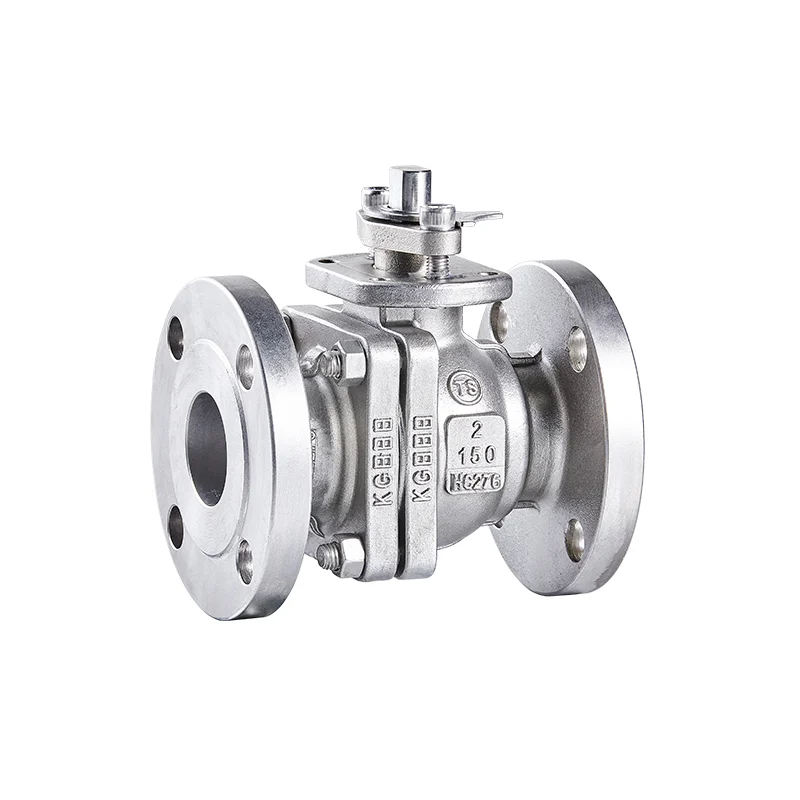
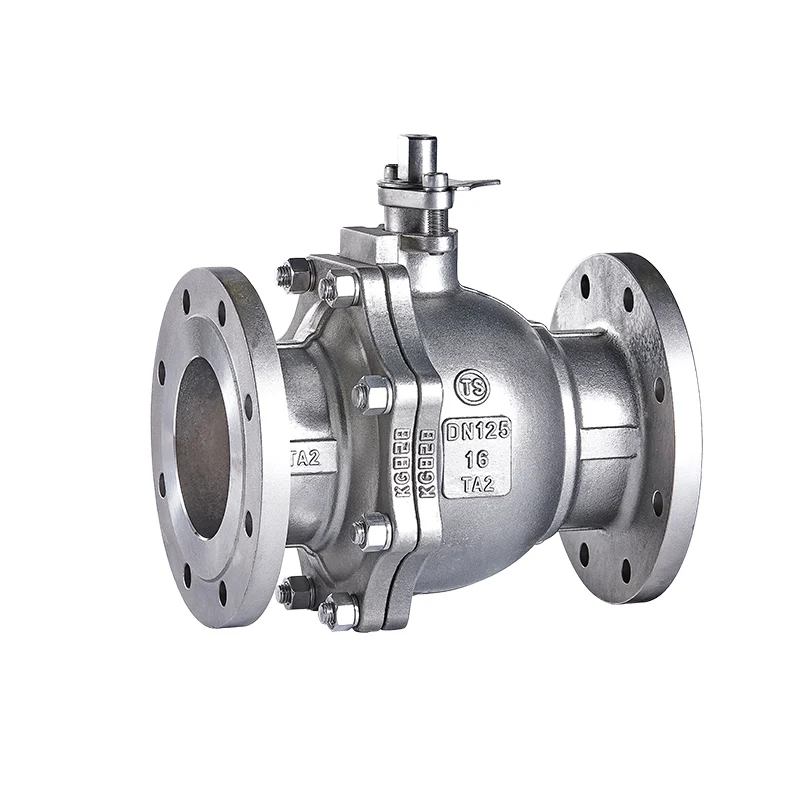
HC276 American Standard Flange Ball Valve is an ultra-high-performance flow control solution designed for the most severe corrosive environments known to industry. By utilizing Hastelloy C276 (Nickel-Molybdenum-Chromium Alloy) and adhering to strict ASME/ANSI standards, this valve provides unparalleled protection against a vast array of aggressive chemical media that would rapidly destroy standard stainless steels.
Description
Hastelloy C276 (UNS N10276) is considered one of the most versatile corrosion-resistant alloys available today.
- Universal Resistance: Exceptional resistance to a wide variety of chemical process environments, including strong oxidizers like ferric and cupric chlorides, hot contaminated media, and chlorine gas.
- Pitting and SCC Defense: Outstanding resistance to localized corrosion, such as pitting and crevice corrosion, as well as stress corrosion cracking.
- Low Carbon Content: Minimizes carbide precipitation during welding, ensuring the valve maintains its corrosion resistance even in the heat-affected zones of welded joints.
Features
- ANSI/ASME Compliance: Manufactured in full accordance with ASME B16.34 (design) and ANSI B16.5 (flange dimensions), guaranteeing safety and interchangeability in international high-pressure systems.
- Exceptional Versatility: Capable of handling both oxidizing and reducing environments, making it a reliable “problem-solver” for multi-purpose chemical plants.
- Full Bore Flow: The internal diameter matches the pipeline, ensuring zero restriction to flow and maximum throughput.
- Advanced Sealing Options: Available with PTFE, TFM, or PEEK seats for chemical compatibility, or specialized metal-to-metal seating for high-temperature/abrasive chemical service.
Specifications
| Feature | Specification |
| Design Standard | ASME B16.34 / API 608 / API 6D |
| Flange Dimensions | ANSI/ASME B16.5 Class 150/300/600 |
| Face-to-Face | ASME B16.10 |
| Body Material | Hastelloy C276 / ASTM B574 (Wrought) / A494 CW12MW (Cast) |
| Pressure Class | Class 150, 300, 600 |
| Temperature Range | -196°C to 400°C (depending on seat and seal materials) |
| Testing Standard | API 598 |
Applications
- Chemical Processing: Handling wet chlorine gas, hypochlorite, and chlorine dioxide.
- Waste Treatment: Management of highly acidic or hazardous industrial waste streams.
- Pulp & Paper: Bleach plants and digesters utilizing aggressive whitening agents.
- Oil & Gas: Sour gas service ($H_2S$) and high-chloride production environments.
Related Knowledge Articles
- What Is a Ball Valve
- How Does a Ball Valve Work
- Different Types of Ball Valves
- Floating vs Trunnion Ball Valve
- Full Port vs Reduced Port Ball Valve
- Top Entry vs Side Entry Ball Valve
- V Port vs Standard Ball Valve
- What Are Ball Valves Used For
- One Piece vs Two Piece Ball Valve
- Two Piece vs Three Piece Ball Valve
- What Are the Different Types of Ball Valves
- How to Choose the Right Ball Valve
- How to Size a Ball Valve
- Ball Valve Pressure Rating
- Ball Valve Material Selection Guide
- Brass vs Stainless Steel Ball Valve
- Soft Seat vs Metal Seated Ball Valve
- API Valve Standards Reference (Cross-topic)
- Common Ball Valve Problems Solutions
- Why Is My Ball Valve Leaking
- Can a Ball Valve Be Repaired
- How Long Does a Ball Valve Last
- Best Industrial Ball Valve Manufacturer
- Ball Valve Supplier Oil & Gas Industry
- Ball Valve Price for Industrial Projects
- Industrial Gate Valve vs Ball Valve
- Ball Valve vs Globe Valve
- Ball Valve vs Butterfly Valve
Related Products
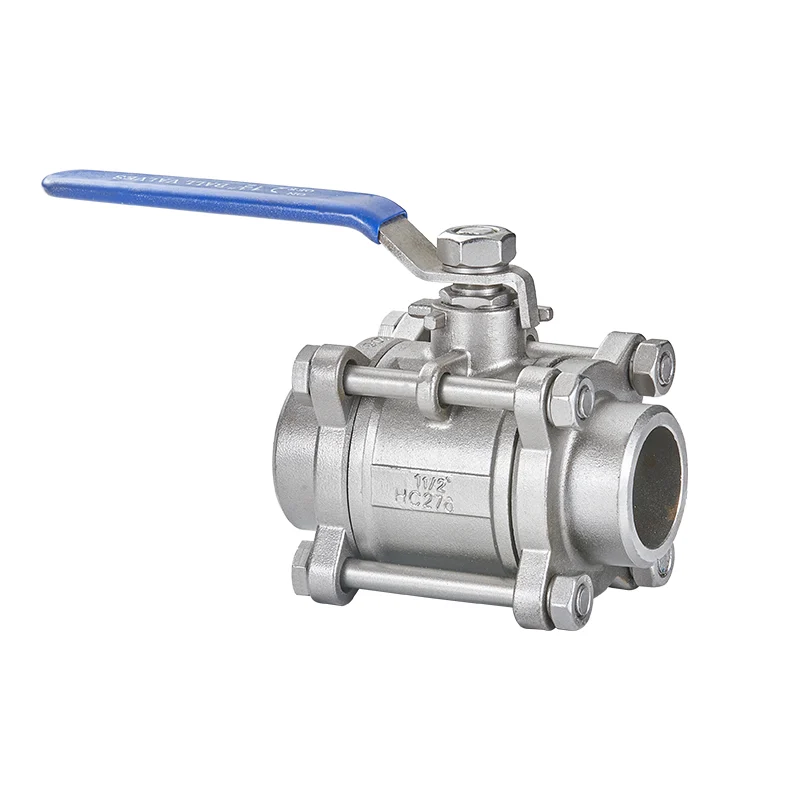
3PC Ball Valve HC276 (Hastelloy)
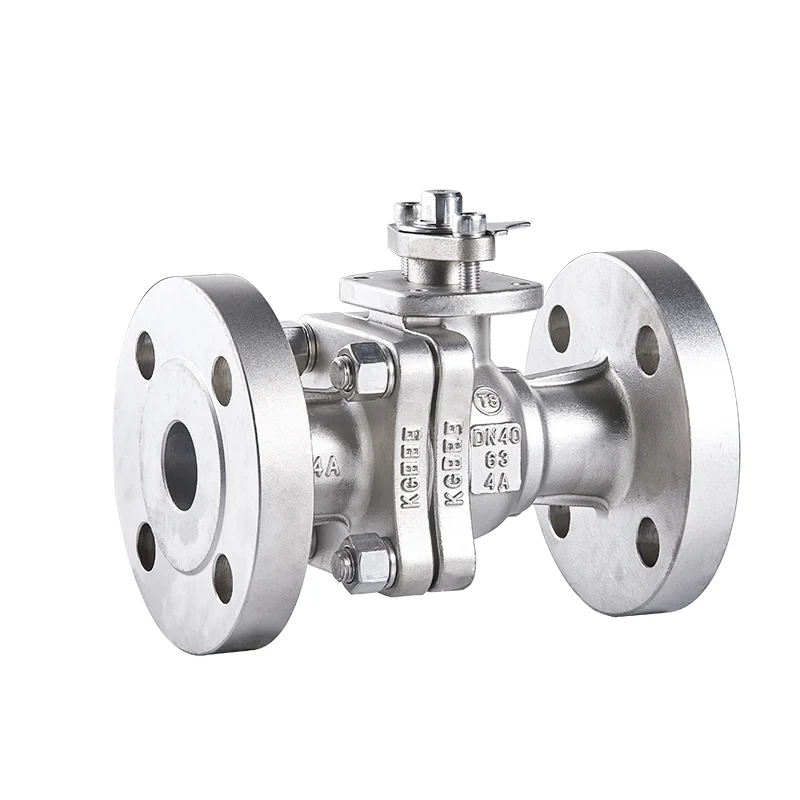
4A National Standard Flange Ball Valve
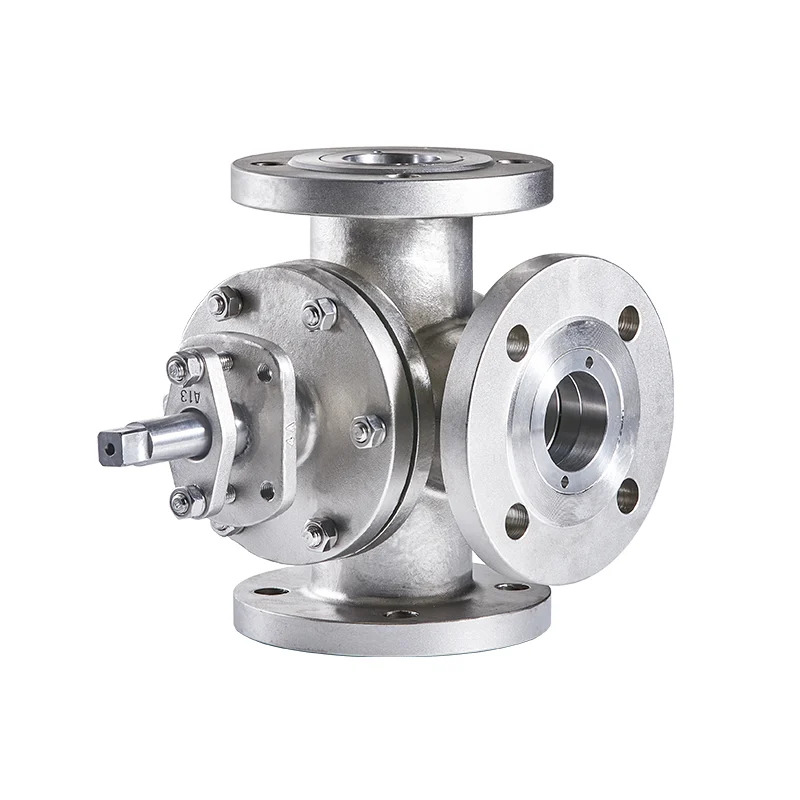
4A National Standard Three-Way Ball Valve
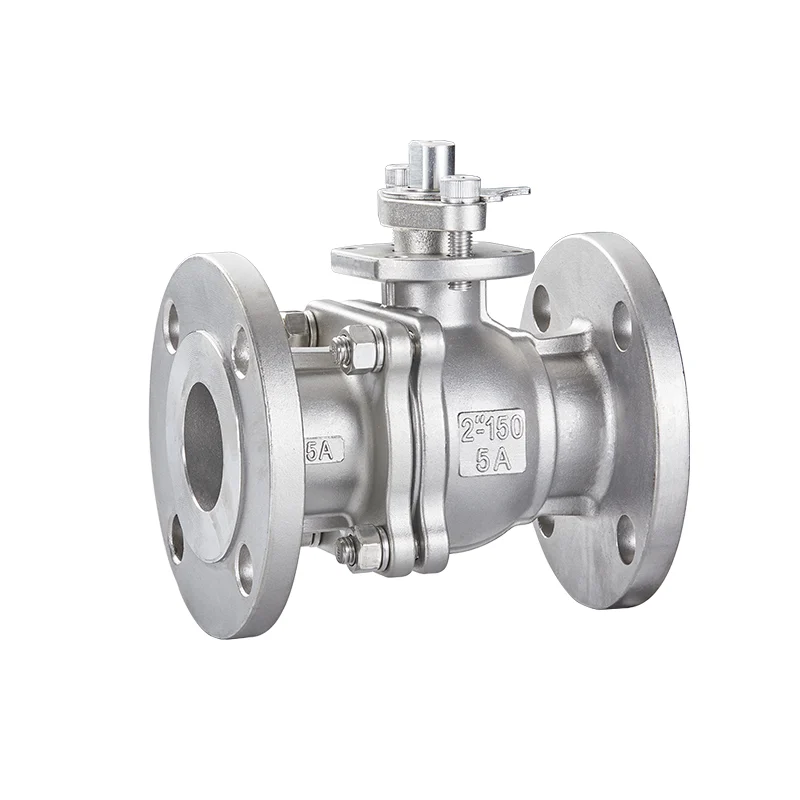
5A American Standard Flange Ball Valve
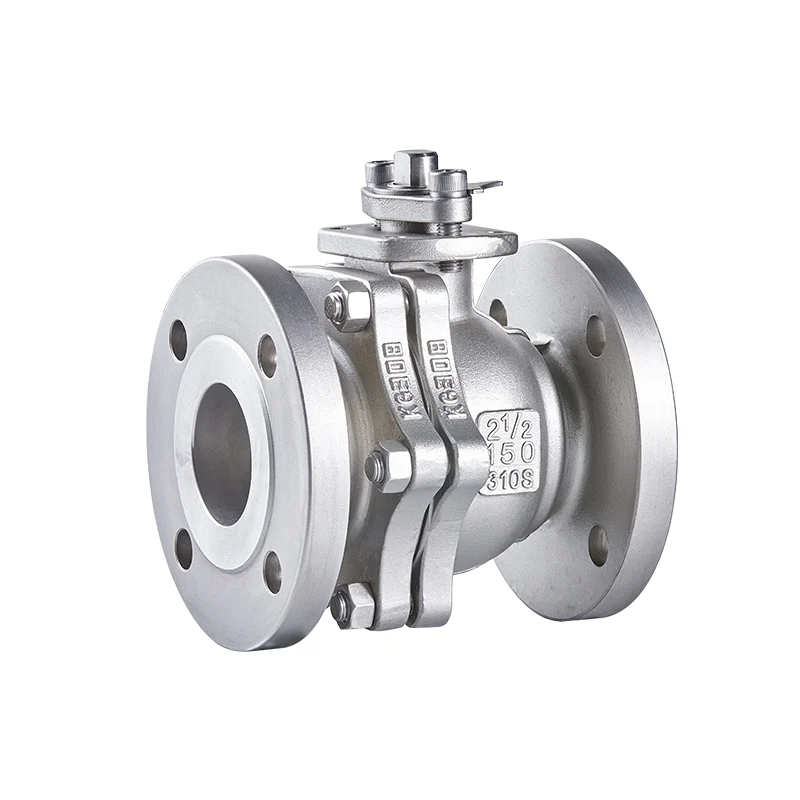
310S American Standard Flange Ball Valve
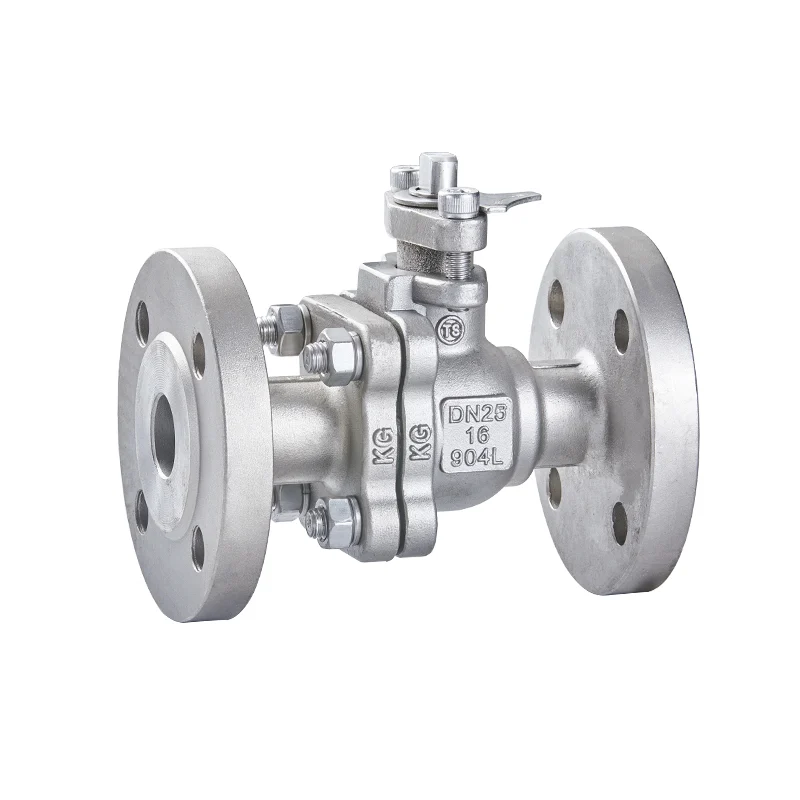
904L National Standard Flange Ball Valve
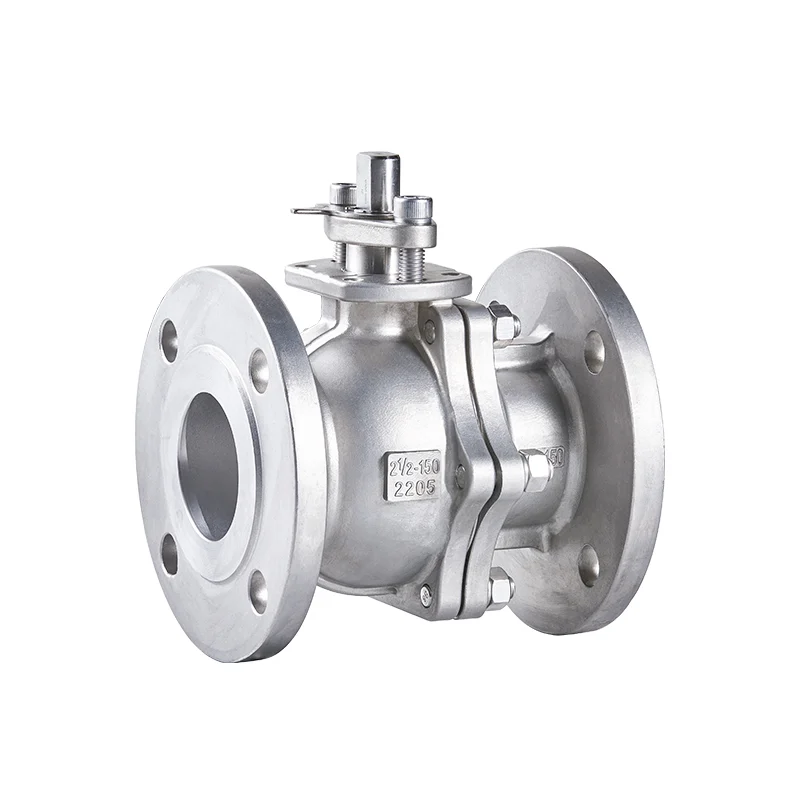
2205 American Standard Flange Ball Valve
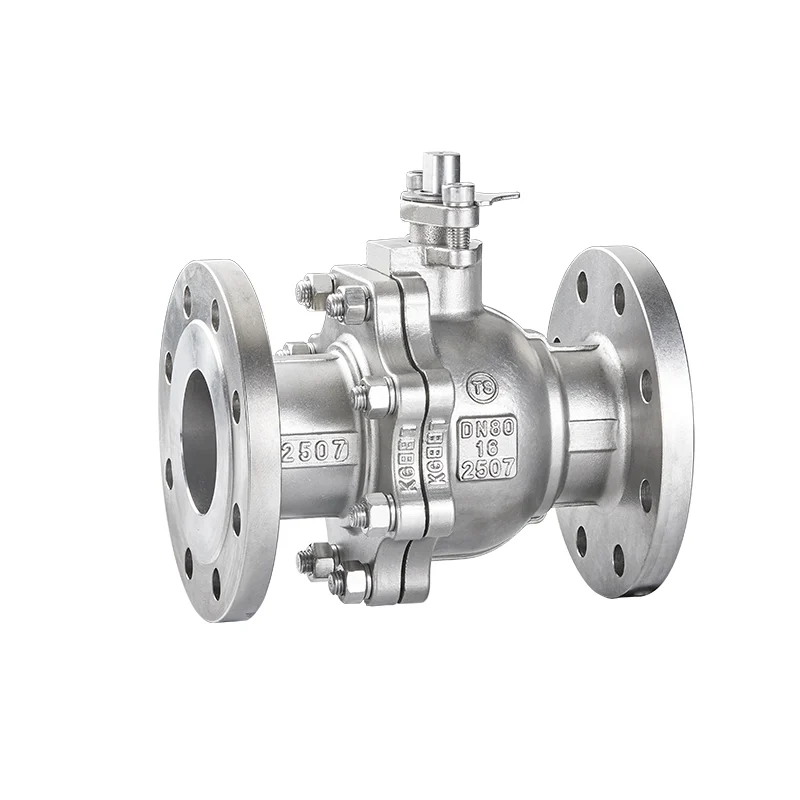
2507 National Standard Flange Ball Valve
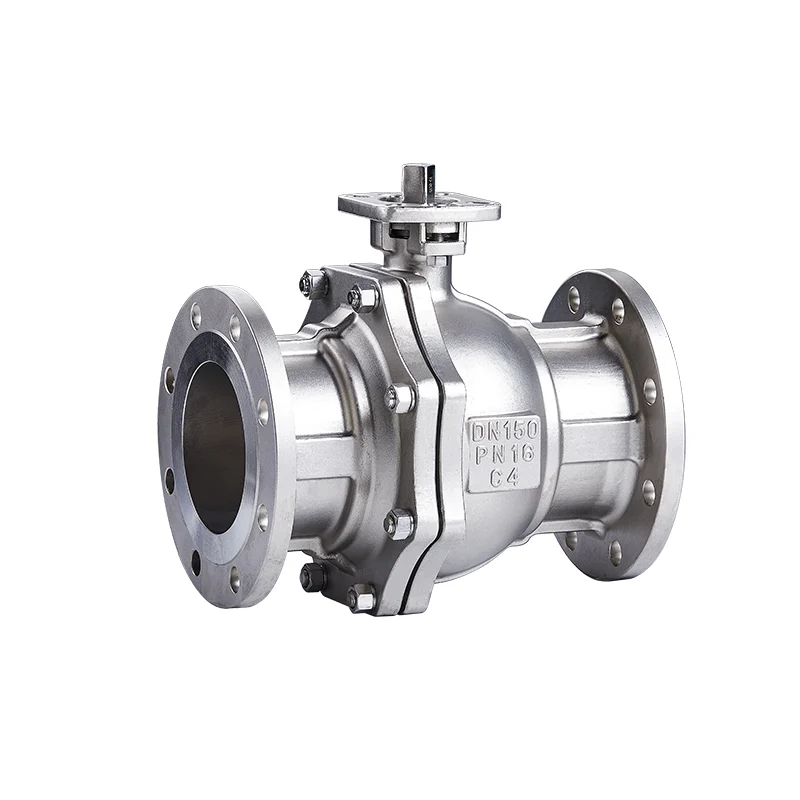
C4 National Standard Flange Ball Valve
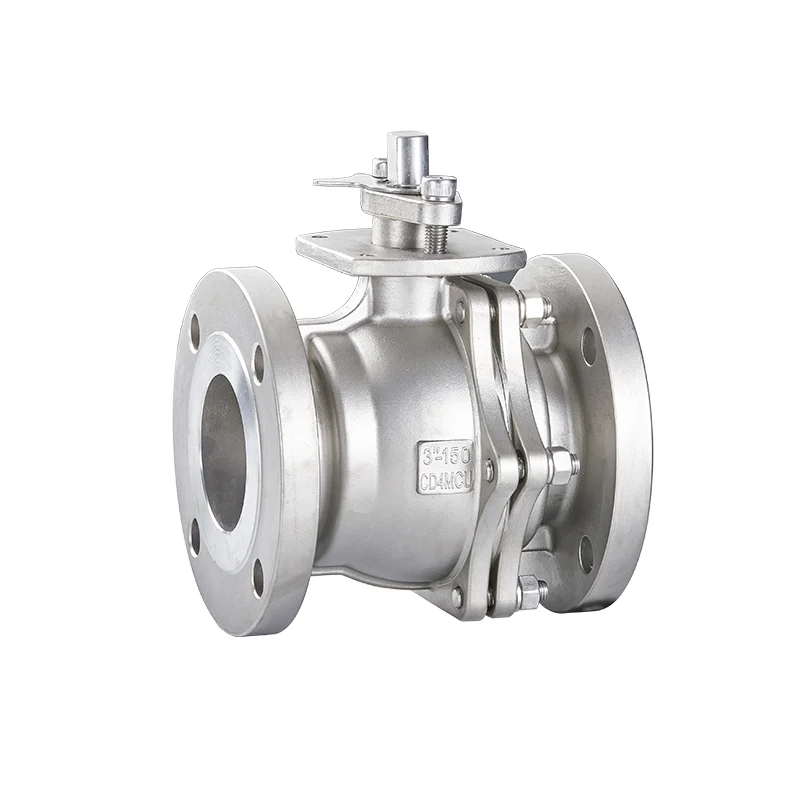
CD4MCU American Standard Flange Ball Valve
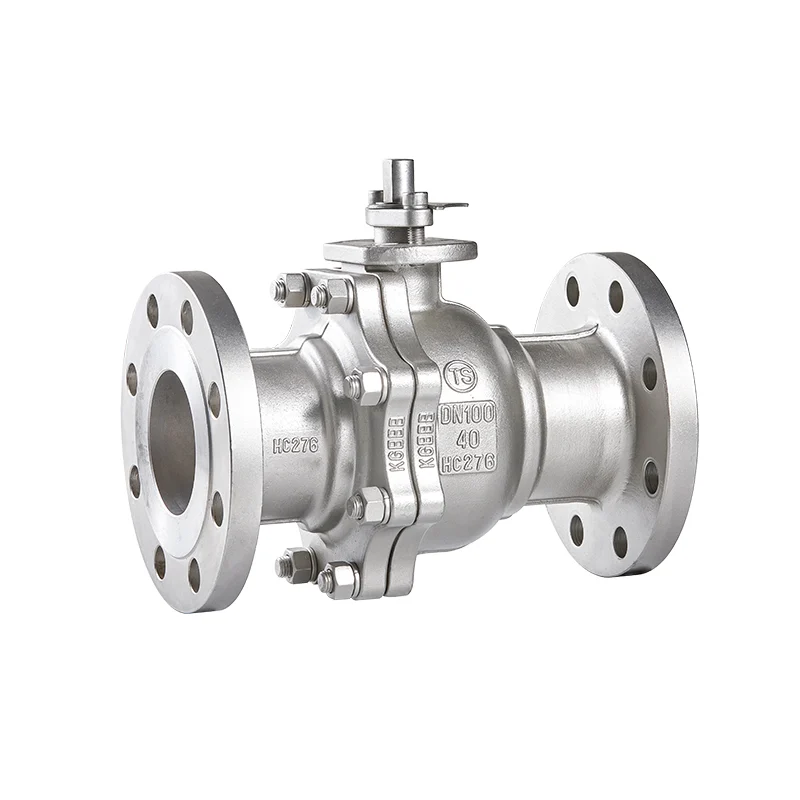
HC276 National Standard Flange Ball Valve
TA2 National Standard Flange Ball Valve