
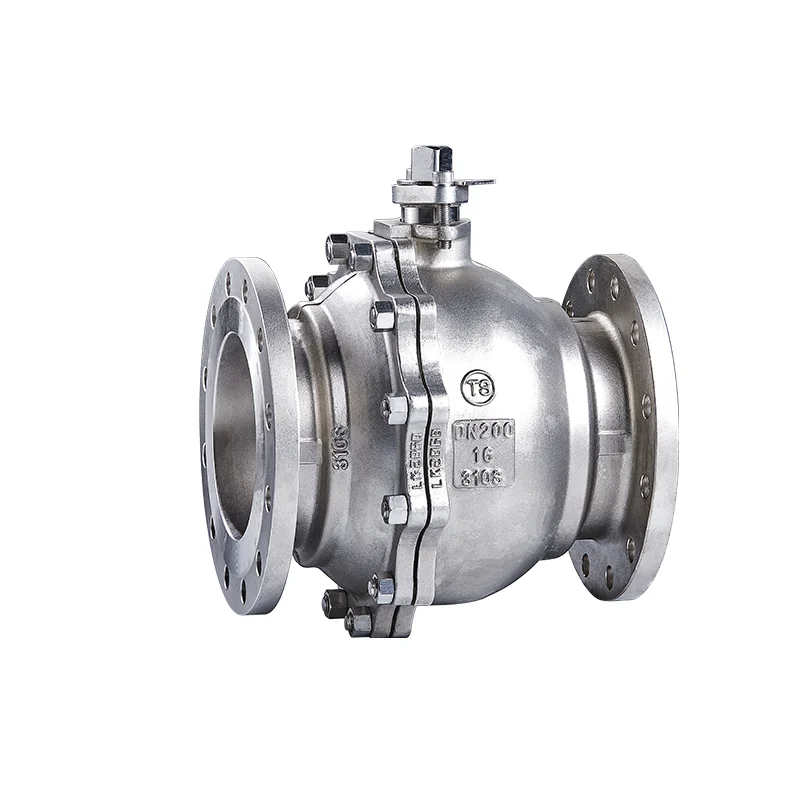
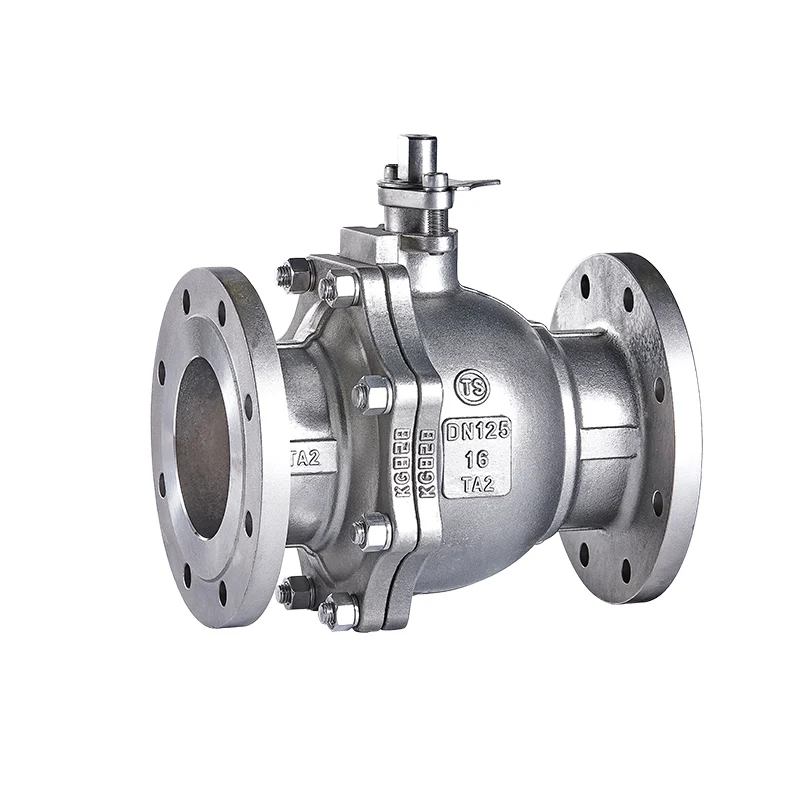
310S National Standard Flange Ball Valve is a premier high-temperature isolation valve engineered for the most demanding thermal environments in industrial piping. By combining 310S (25Cr-20Ni) heat-resistant stainless steel with the rigorous GB/T 12237 manufacturing standard, this valve provides exceptional oxidation resistance and structural stability at temperatures where standard stainless steels would fail.
Description
310S (06Cr25Ni20) is an austenitic stainless steel specifically developed for high-temperature service:
- Corrosion Resistance: Beyond heat, it provides good resistance to a wide range of corrosive chemicals, making it a versatile choice for complex industrial processes.
- Elite Temperature Tolerance: Maintains excellent oxidation resistance in continuous service up to 1050°C and intermittent service up to 1150°C.
- Anti-Carburization: The high nickel and chromium content offers superior resistance to carburizing and reducing atmospheres, common in petrochemical and furnace applications.
- Mechanical Integrity: 310S retains high creep strength and toughness at elevated temperatures, ensuring the valve body does not warp or lose sealing capability under intense thermal stress.
Features
- GB Standard Compliance: Fully compliant with GB/T 12237 (design), GB/T 9113 (flange), and GB/T 12221 (face-to-face), ensuring a perfect fit and standardized performance within domestic National Standard infrastructure.
- Full Bore Design: The internal flow path matches the pipe’s bore exactly, providing a straight-through passage that eliminates flow restriction and ensures negligible pressure drop.
- High-Temperature Sealing Technology: Typically features Hard-Faced Metal Seats (Stellite) or high-purity flexible graphite packing. This allows for a reliable, tight seal in environments far exceeding the melting point of standard soft seats like PTFE.
- Advanced Thermal Protection: Often equipped with an extended bonnet to move the packing and actuator away from the heat source, significantly extending the life of seals and automation components.
- Safe & Anti-Static: Includes an anti-static device to discharge electricity and a fire-safe structural design to maintain shut-off integrity during emergency thermal events.
Specifications
| Feature | Specification |
| Design Standard | GB/T 12237 |
| Flange Dimensions | GB/T 9113 / JB/T 79 |
| Face-to-Face | GB/T 12221 |
| Body Material | 310S Heat-Resistant Steel (06Cr25Ni20) |
| Seat Material | Metal-to-Metal (Stellite) or PPL (High-temp) |
| Pressure Rating | PN16, PN25, PN40, PN64 |
| Max Service Temp | 1050°C (Continuous) |
| Testing Standard | GB/T 13927 / JB/T 9092 |
Applications
- Industrial Furnaces: Isolation and flow control for kiln piping and heat treatment equipment.
- Petrochemical Refining: High-temperature cracking units, flare systems, and hydrogen production lines.
- Power Generation: Superheated steam lines and exhaust gas recirculation systems.
- Environmental Protection: Waste-to-energy plants and high-temperature thermal oxidizers.
Related Knowledge Articles
- What Is a Ball Valve
- How Does a Ball Valve Work
- Different Types of Ball Valves
- Floating vs Trunnion Ball Valve
- Full Port vs Reduced Port Ball Valve
- Top Entry vs Side Entry Ball Valve
- V Port vs Standard Ball Valve
- What Are Ball Valves Used For
- One Piece vs Two Piece Ball Valve
- Two Piece vs Three Piece Ball Valve
- What Are the Different Types of Ball Valves
- How to Choose the Right Ball Valve
- How to Size a Ball Valve
- Ball Valve Pressure Rating
- Ball Valve Material Selection Guide
- Brass vs Stainless Steel Ball Valve
- Soft Seat vs Metal Seated Ball Valve
- API Valve Standards Reference (Cross-topic)
- Common Ball Valve Problems Solutions
- Why Is My Ball Valve Leaking
- Can a Ball Valve Be Repaired
- How Long Does a Ball Valve Last
- Best Industrial Ball Valve Manufacturer
- Ball Valve Supplier Oil & Gas Industry
- Ball Valve Price for Industrial Projects
- Industrial Gate Valve vs Ball Valve
- Ball Valve vs Globe Valve
- Ball Valve vs Butterfly Valve
Related Products
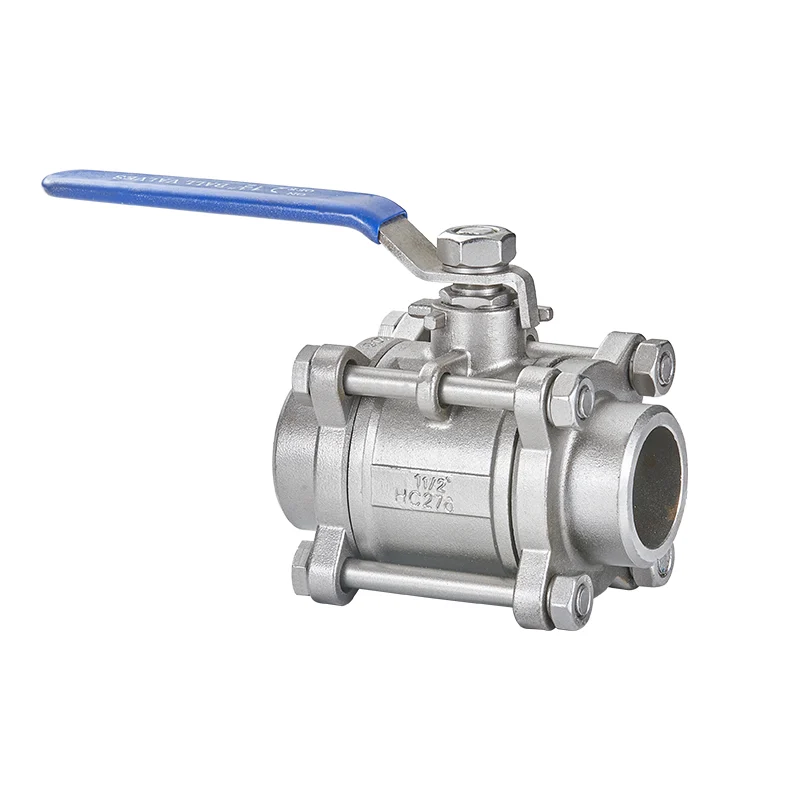
3PC Ball Valve HC276 (Hastelloy)
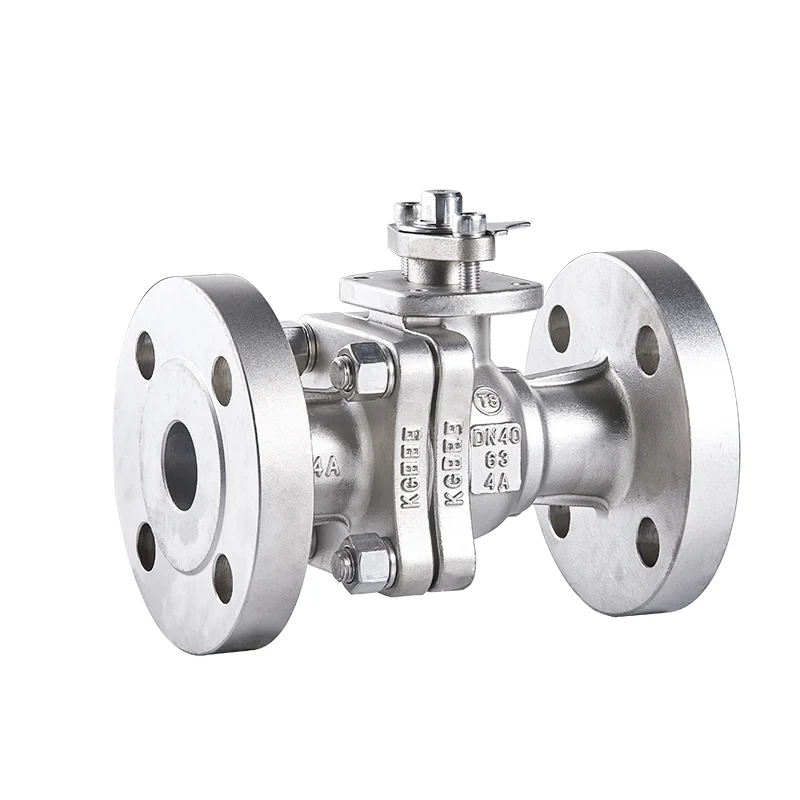
4A National Standard Flange Ball Valve
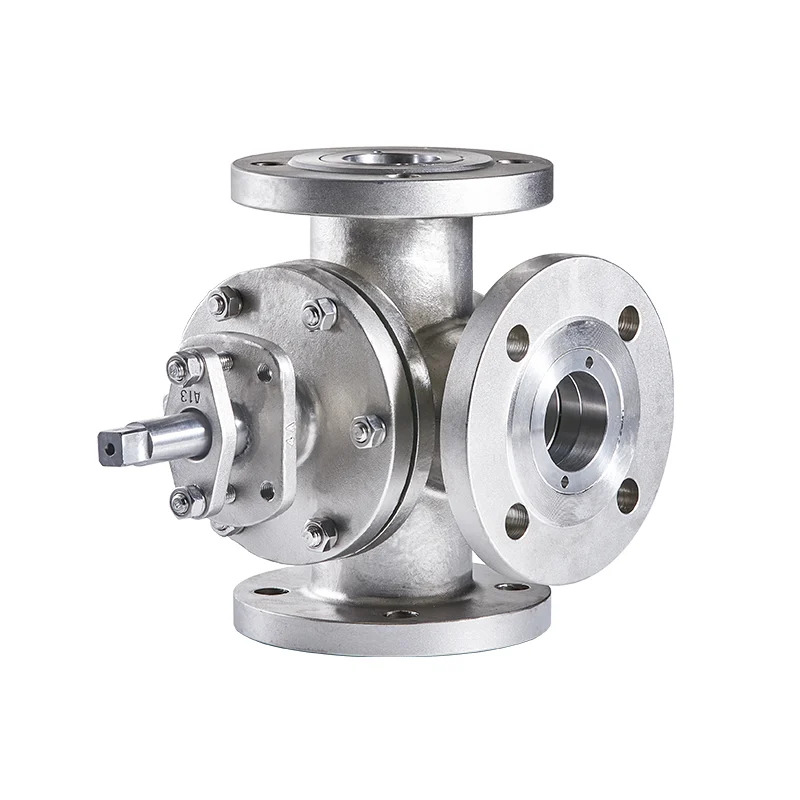
4A National Standard Three-Way Ball Valve
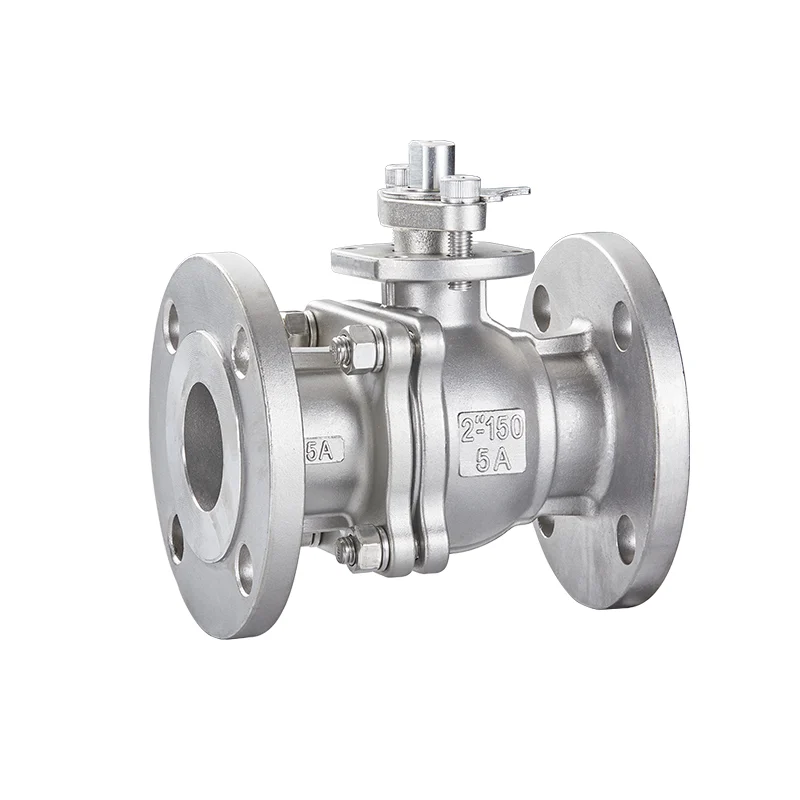
5A American Standard Flange Ball Valve
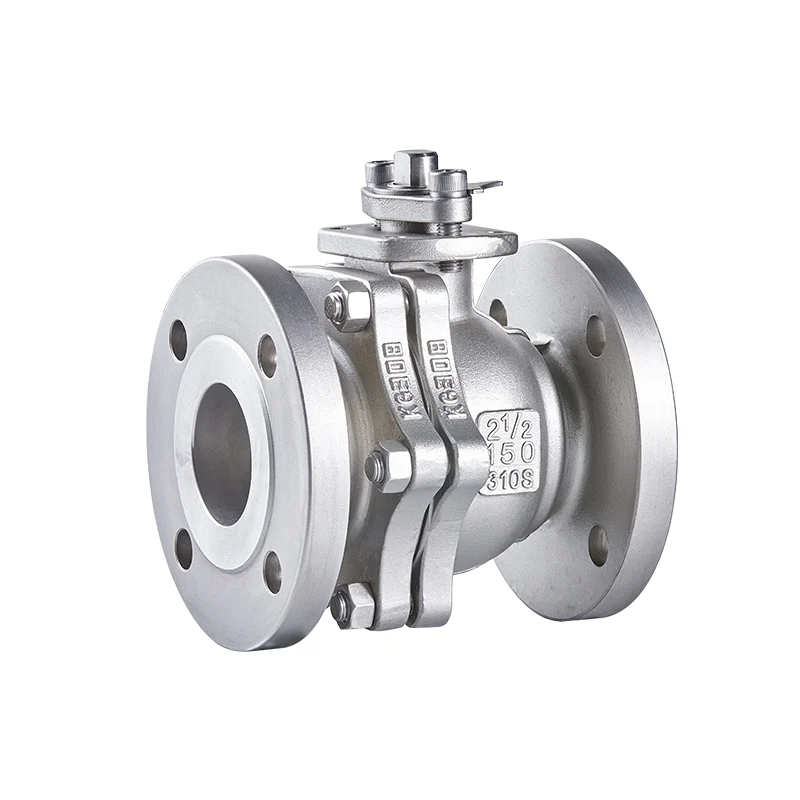
310S American Standard Flange Ball Valve
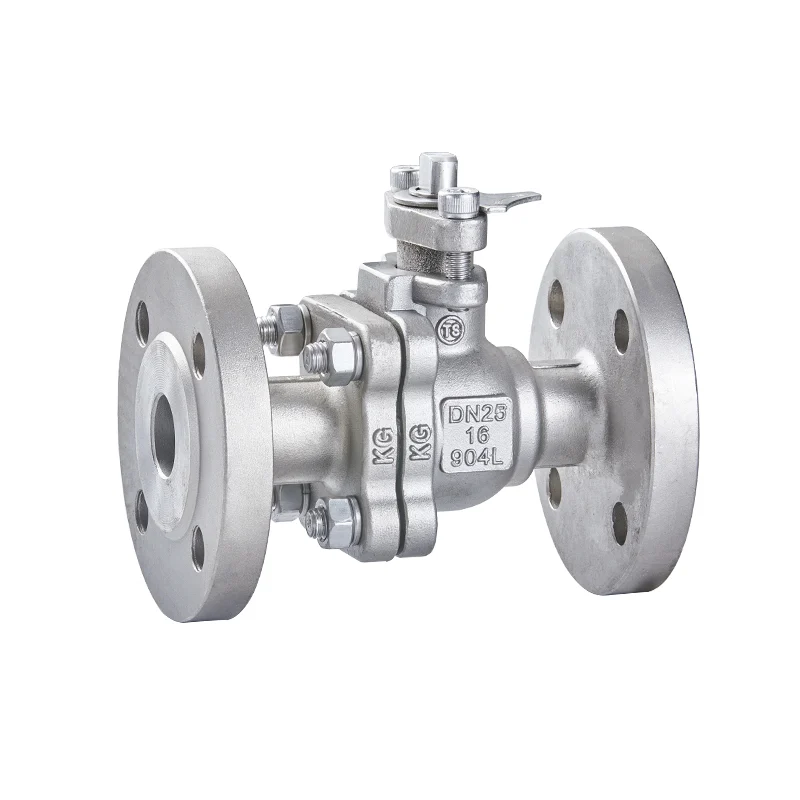
904L National Standard Flange Ball Valve
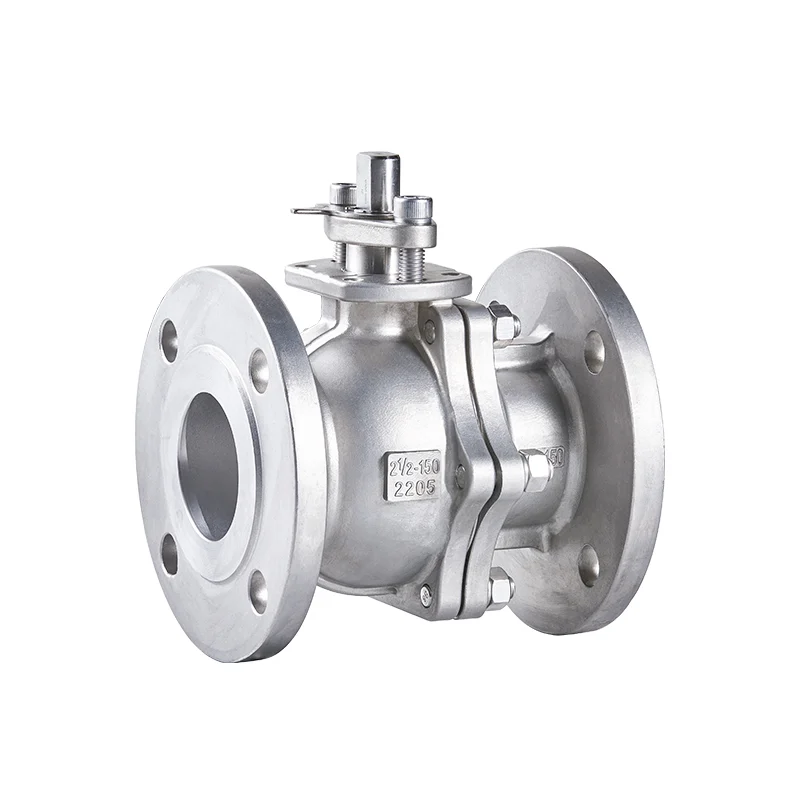
2205 American Standard Flange Ball Valve
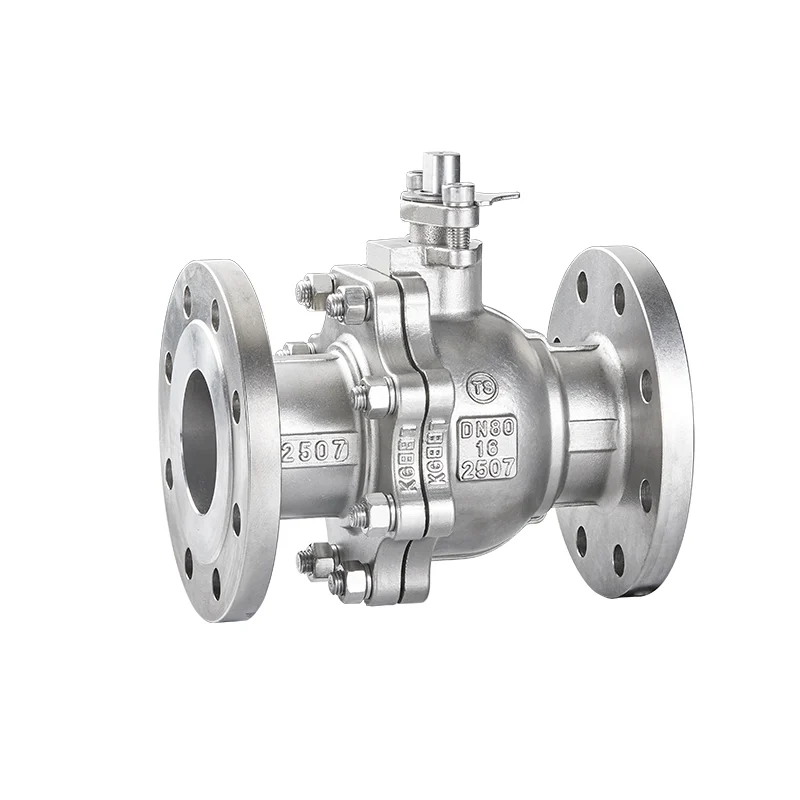
2507 National Standard Flange Ball Valve
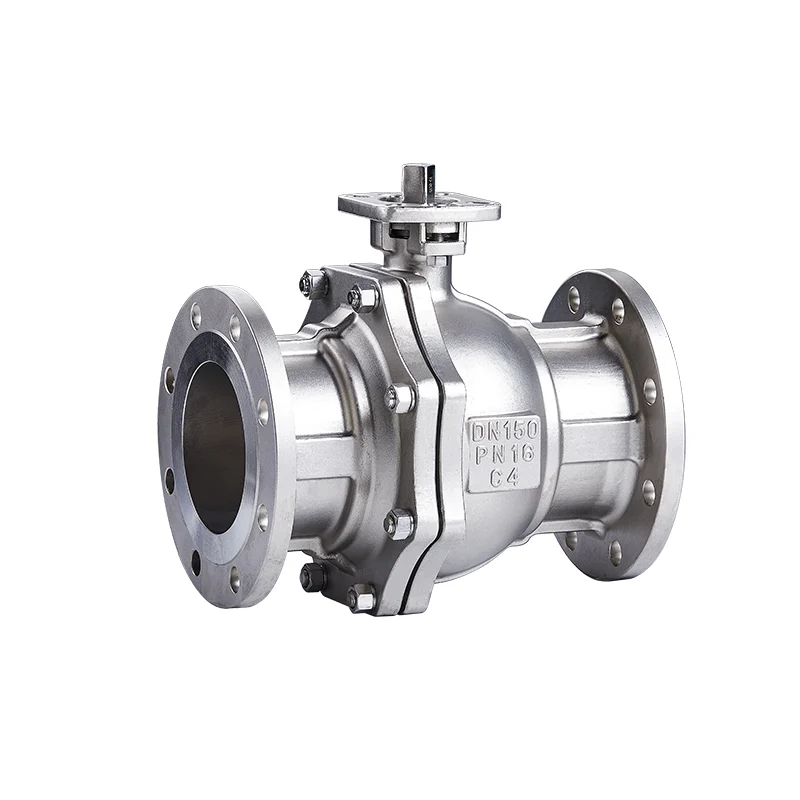
C4 National Standard Flange Ball Valve
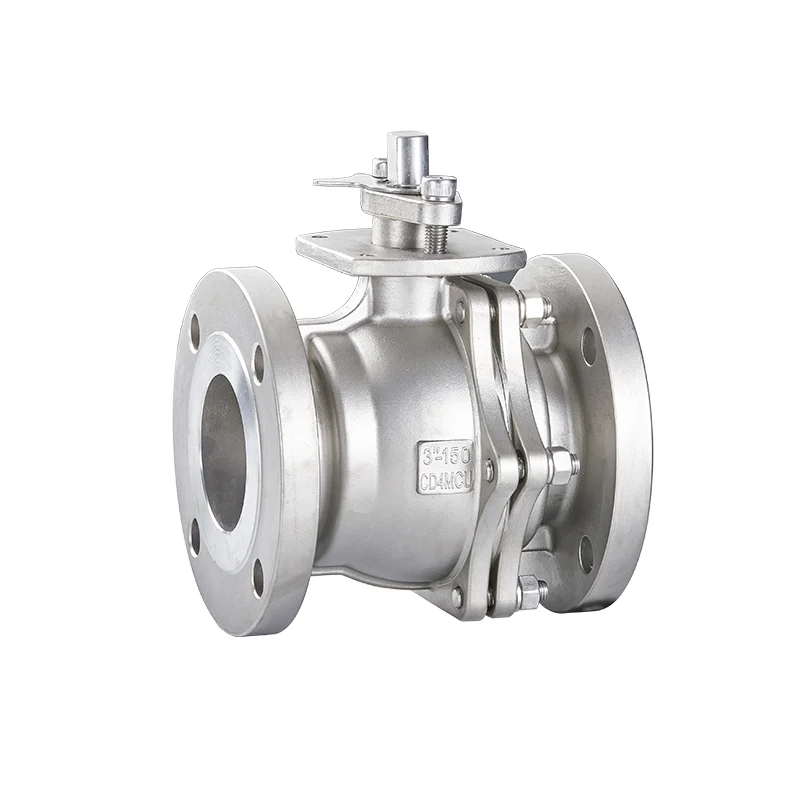
CD4MCU American Standard Flange Ball Valve
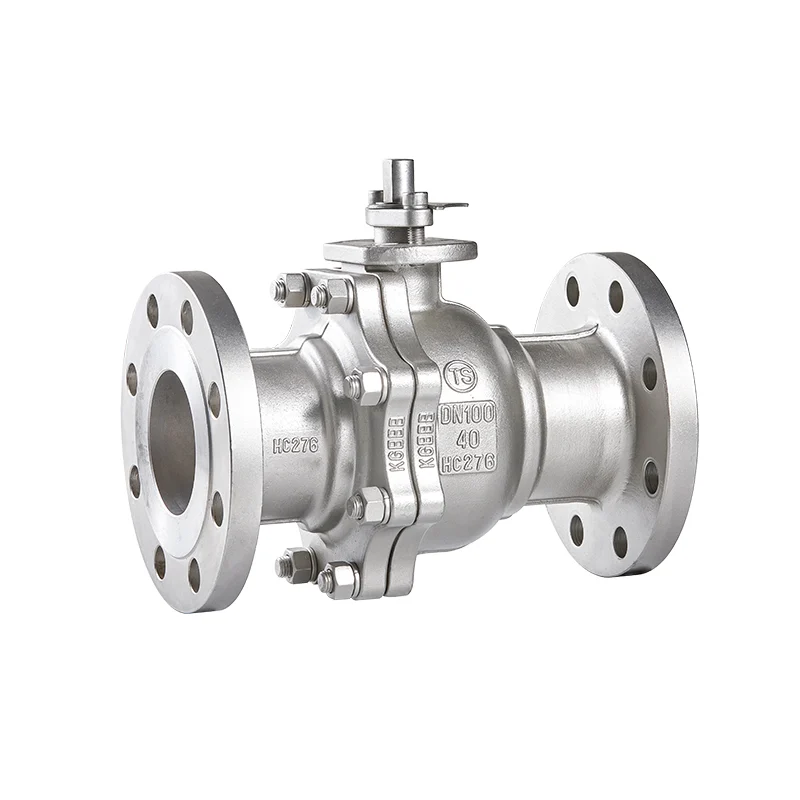
HC276 National Standard Flange Ball Valve
TA2 National Standard Flange Ball Valve