
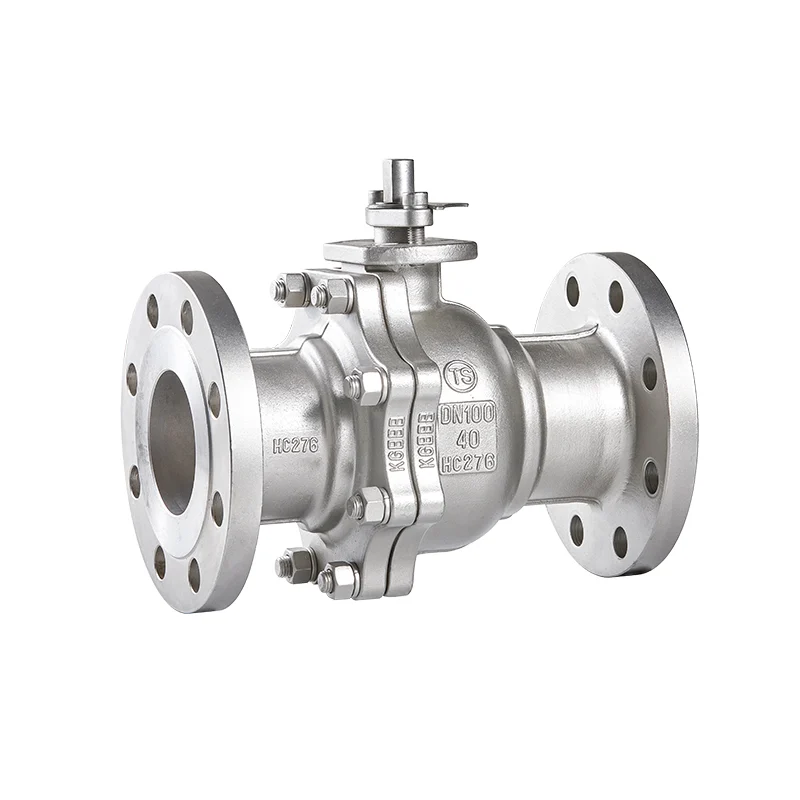
HC276 National Standard Flange Ball Valve,a high-performance, full-bore isolation valve constructed from Hastelloy C276, designed to provide leak-proof flow control for the most aggressive chemical media under National Standard (GB) and international specifications.
Description
The HC276 National Standard Flange Ball Valve is a premier fluid control solution engineered for environments where standard stainless steels and even duplex alloys fail. Constructed from Hastelloy C276 (UNS N10276)—a nickel-molybdenum-chromium superalloy—this valve is virtually immune to a wide range of corrosive agents, including wet chlorine, hypochlorite, and strong oxidizing acids. Its ball-and-seat design allows for a quick 90-degree shut-off, and the National Standard (GB) flange ensures seamless integration into domestic and international piping systems requiring high-integrity flanged connections.
Features
- Universal Corrosion Resistance: Exceptional performance in both oxidizing and reducing atmospheres, with specific resistance to pitting and stress corrosion cracking.
- Full Port Design: Provides maximum flow capacity and minimal pressure drop, ideal for high-viscosity or slurry-laden media.
- Blow-out Proof Stem: Internal entry stem design ensures the stem cannot be ejected under high pressure, enhancing operator safety.
- Fire-Safe & Anti-Static: Equipped with specialized sealing and grounding features to prevent hazardous discharge in volatile environments.
- Low Operating Torque: Precision-ground ball and high-quality PTFE or PEEK seats ensure smooth actuation even after long periods of inactivity.
Specifications
| Parameter | Details |
| Material Grade | Hastelloy C276 (ASTM A494 CW12MW / UNS N10276) |
| Design Standard | GB/T 12237, API 6D, ASME B16.34 |
| Pressure Rating | PN16, PN25, PN40, PN64 / Class 150 – 600 |
| Flange Standard | GB/T 9113, JB/T 79, ASME B16.5 |
| Seat Material | Reinforced PTFE (RPTFE), PEEK, or Metal-to-Metal |
| Temperature Range | -29°C to +200°C (Soft Seat) / Up to 450°C (Metal Seat) |
Applications
- Chemical & Petrochemical: Handling concentrated sulfuric, hydrochloric, and phosphoric acids.
- Pulp & Paper: Bleaching systems using chlorine dioxide and hypochlorite solutions.
- Waste Treatment: Processing aggressive industrial effluents and hazardous chemical waste.
- Flue Gas Desulfurization (FGD): Resisting scrubbers and heat exchangers in power plant emissions control.
- Pharmaceuticals: High-purity chemical synthesis where alloy integrity is critical to prevent batch contamination.
Related Knowledge Articles
- What Is a Ball Valve
- How Does a Ball Valve Work
- Different Types of Ball Valves
- Floating vs Trunnion Ball Valve
- Full Port vs Reduced Port Ball Valve
- Top Entry vs Side Entry Ball Valve
- V Port vs Standard Ball Valve
- What Are Ball Valves Used For
- One Piece vs Two Piece Ball Valve
- Two Piece vs Three Piece Ball Valve
- What Are the Different Types of Ball Valves
- How to Choose the Right Ball Valve
- How to Size a Ball Valve
- Ball Valve Pressure Rating
- Ball Valve Material Selection Guide
- Brass vs Stainless Steel Ball Valve
- Soft Seat vs Metal Seated Ball Valve
- API Valve Standards Reference (Cross-topic)
- Common Ball Valve Problems Solutions
- Why Is My Ball Valve Leaking
- Can a Ball Valve Be Repaired
- How Long Does a Ball Valve Last
- Best Industrial Ball Valve Manufacturer
- Ball Valve Supplier Oil & Gas Industry
- Ball Valve Price for Industrial Projects
- Industrial Gate Valve vs Ball Valve
- Ball Valve vs Globe Valve
- Ball Valve vs Butterfly Valve
Related Products
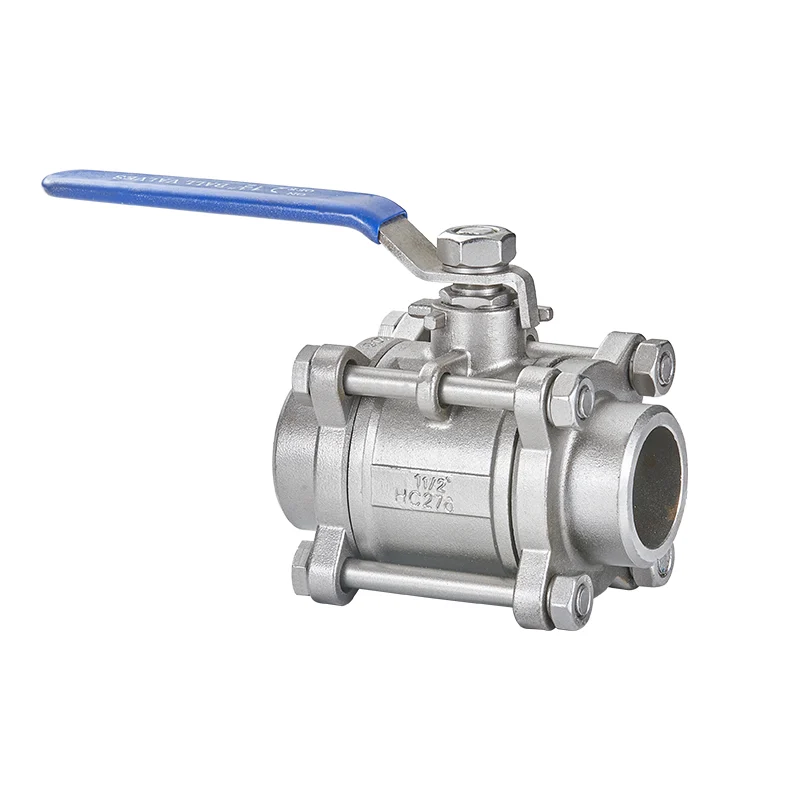
3PC Ball Valve HC276 (Hastelloy)
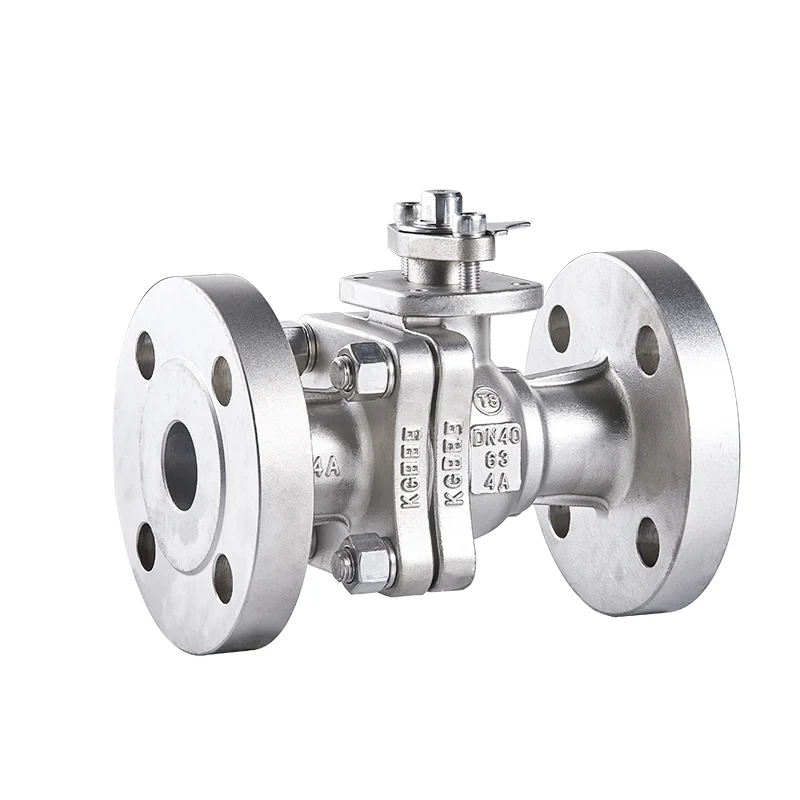
4A National Standard Flange Ball Valve
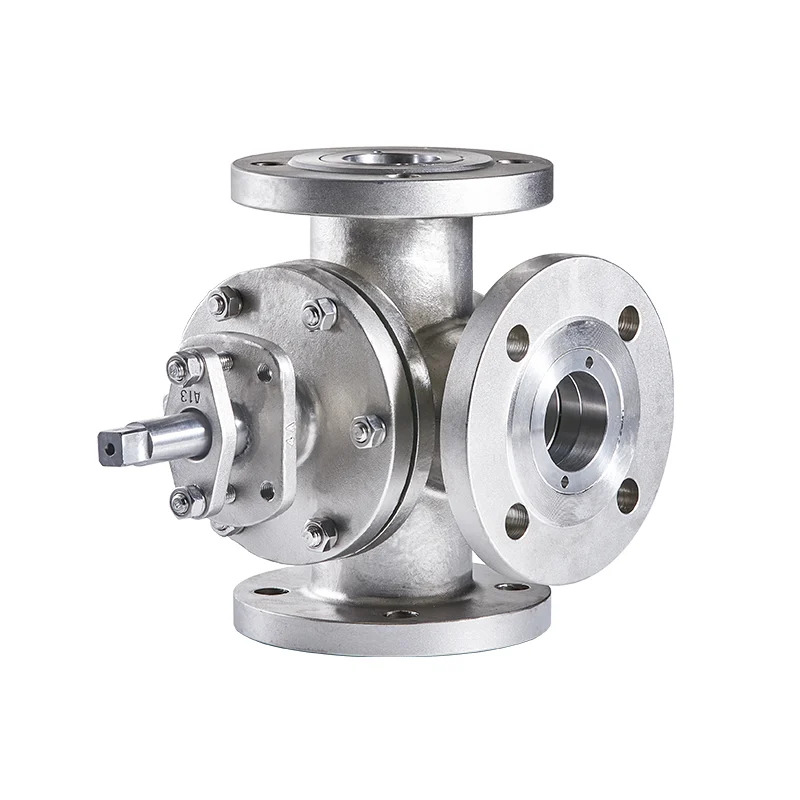
4A National Standard Three-Way Ball Valve
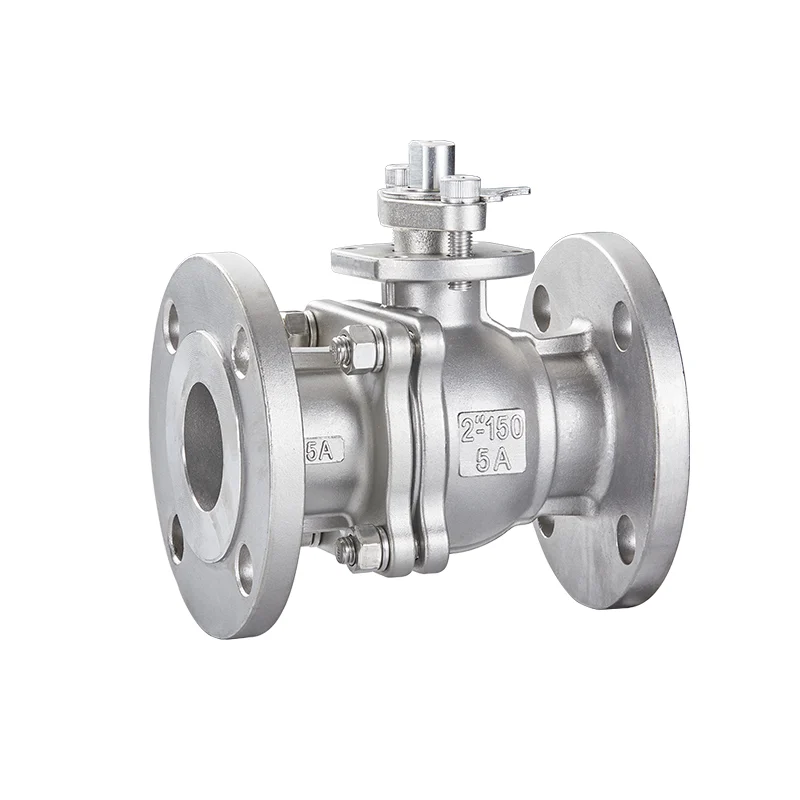
5A American Standard Flange Ball Valve
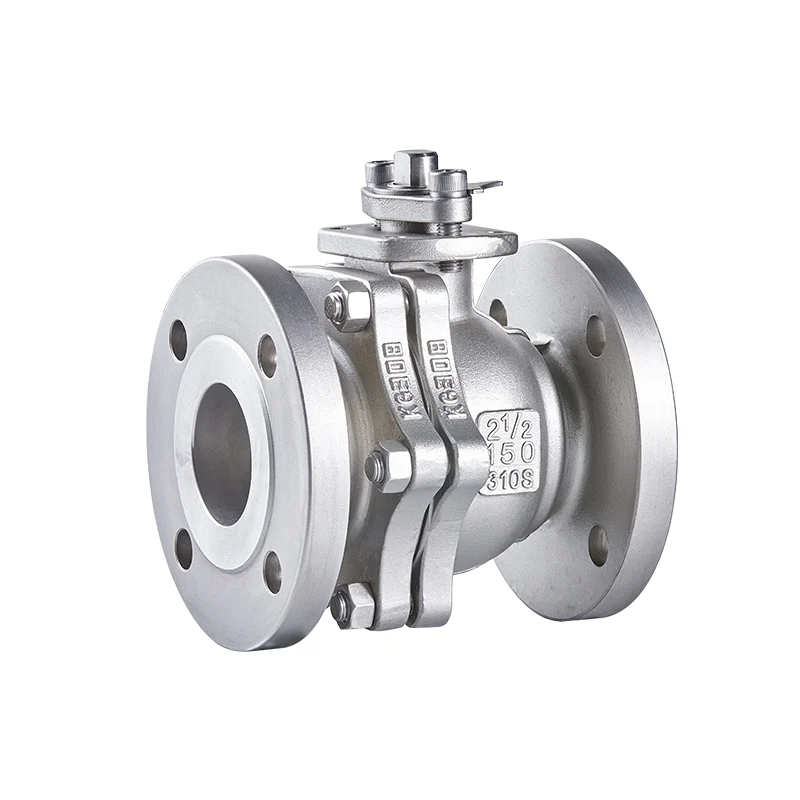
310S American Standard Flange Ball Valve
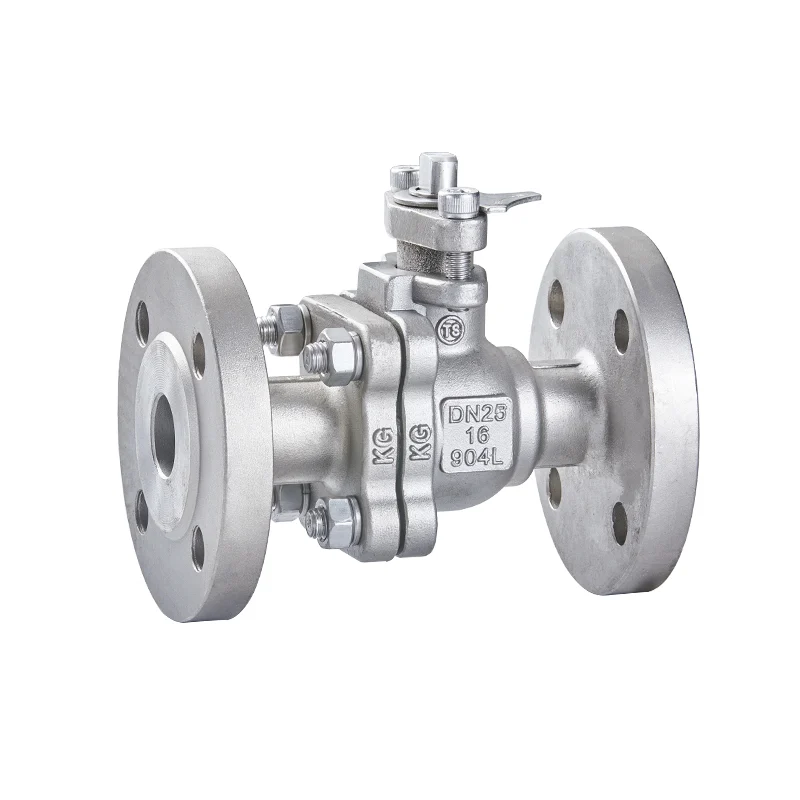
904L National Standard Flange Ball Valve
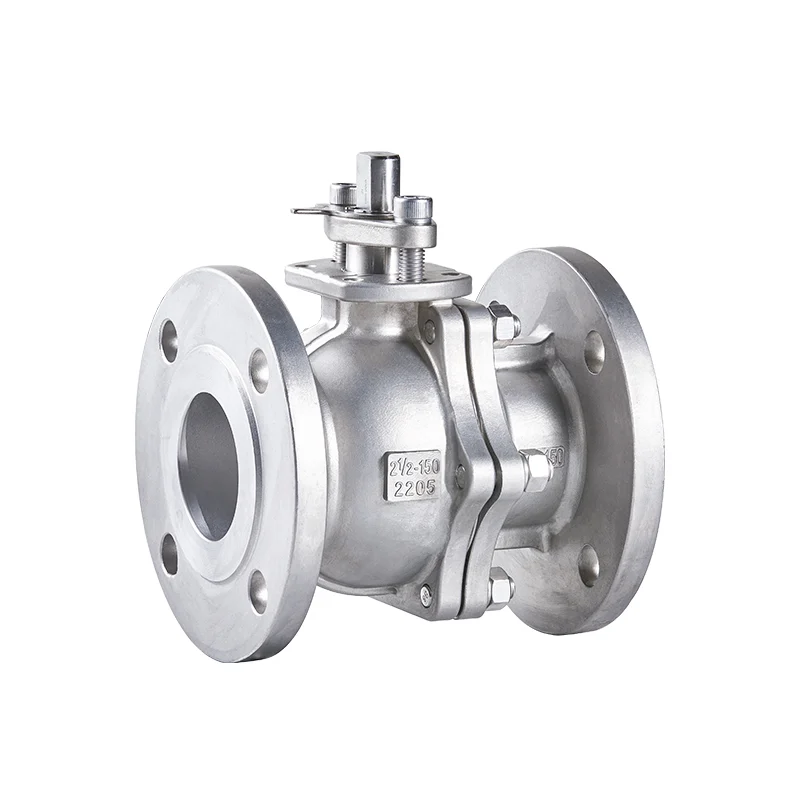
2205 American Standard Flange Ball Valve
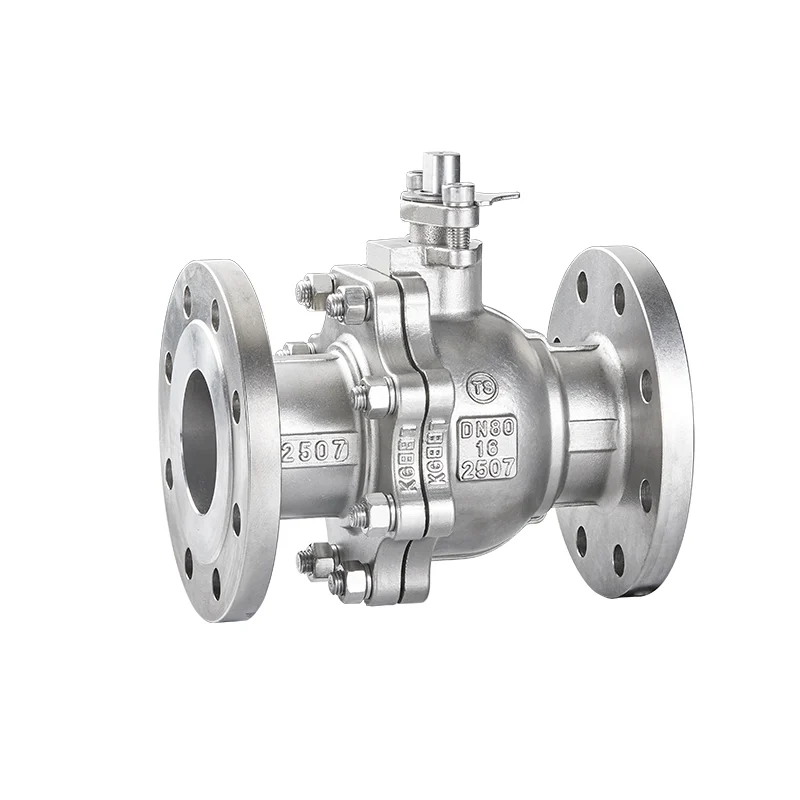
2507 National Standard Flange Ball Valve
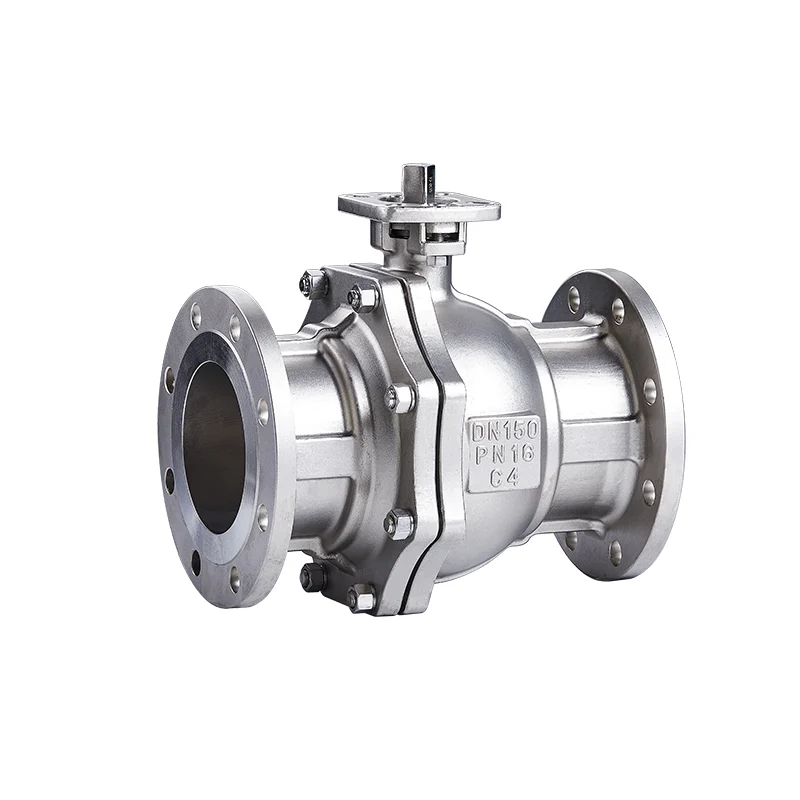
C4 National Standard Flange Ball Valve
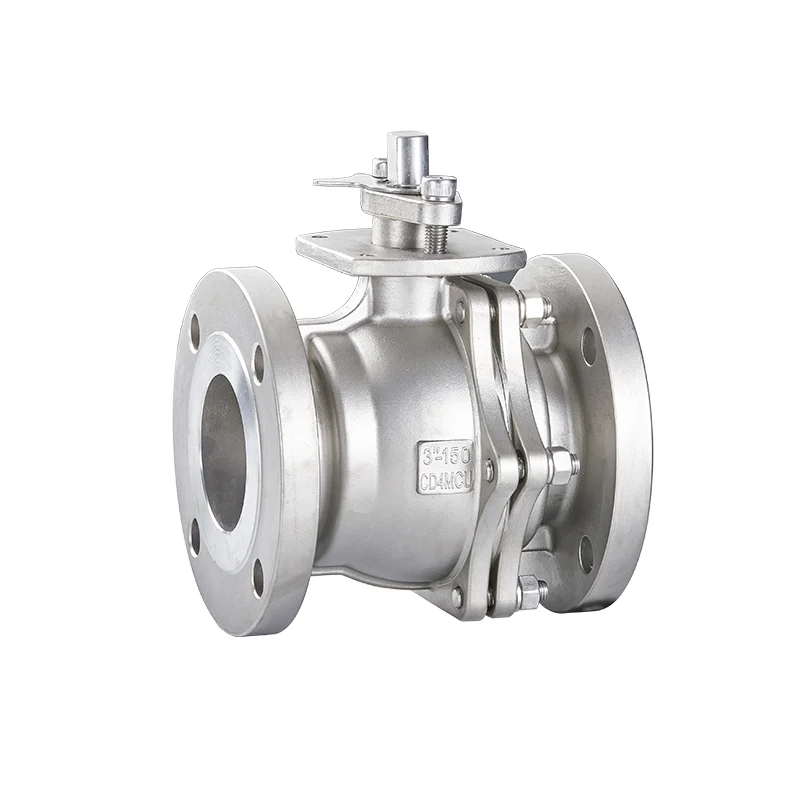
CD4MCU American Standard Flange Ball Valve
HC276 National Standard Flange Ball Valve
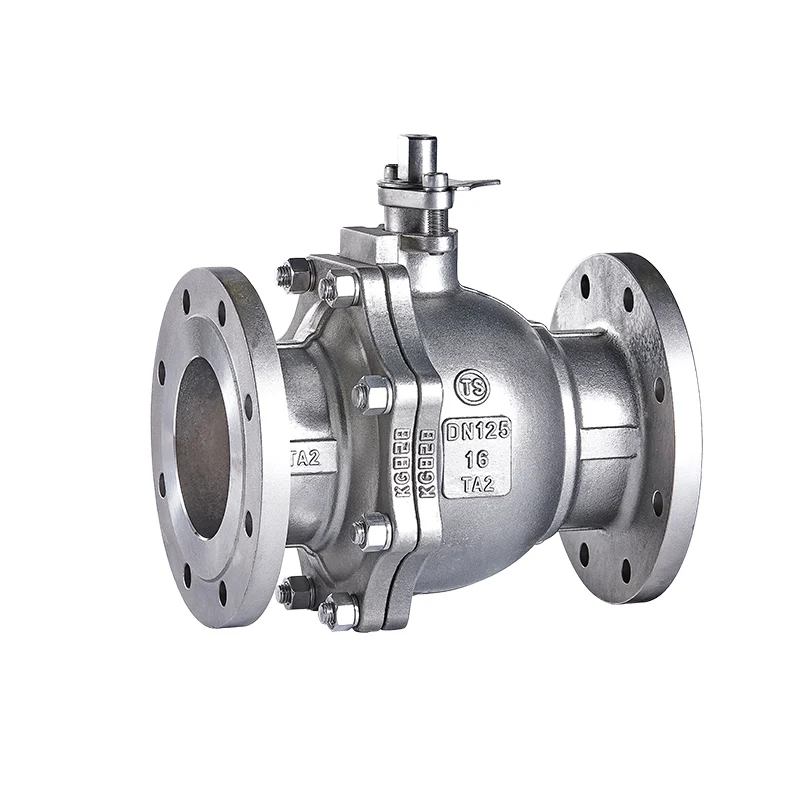
TA2 National Standard Flange Ball Valve