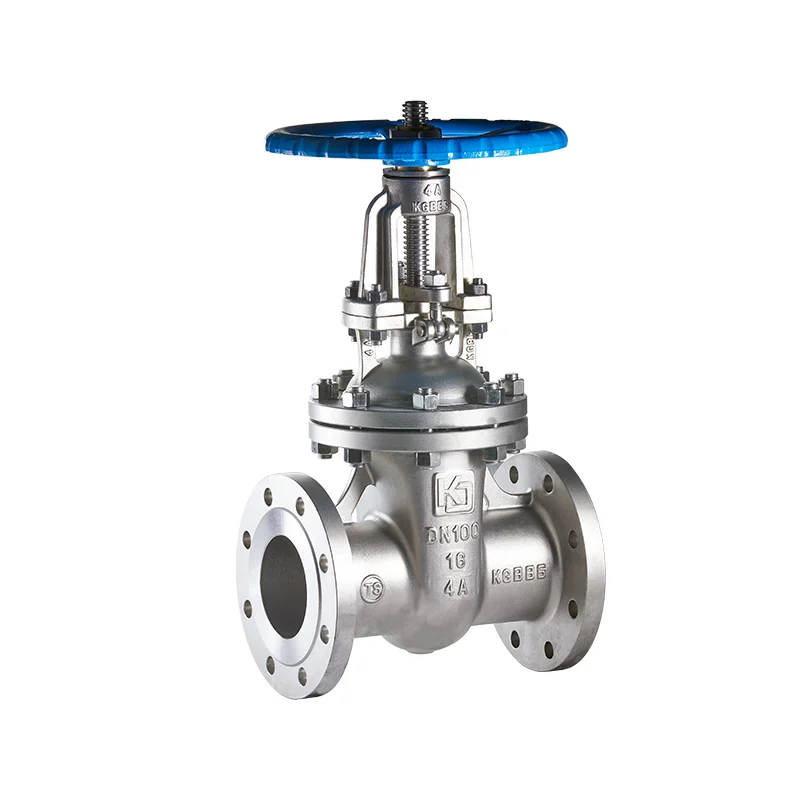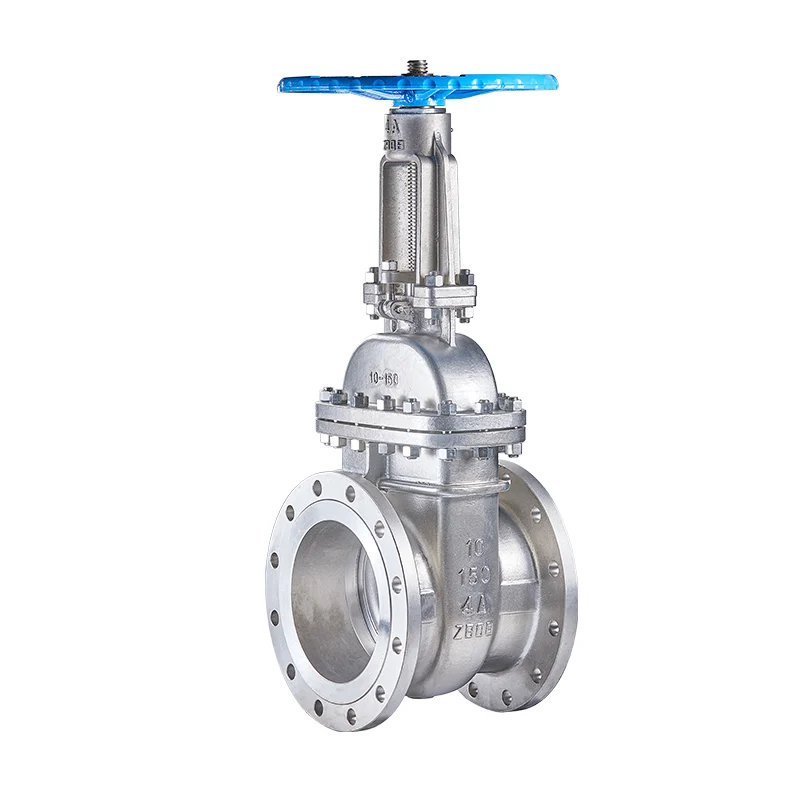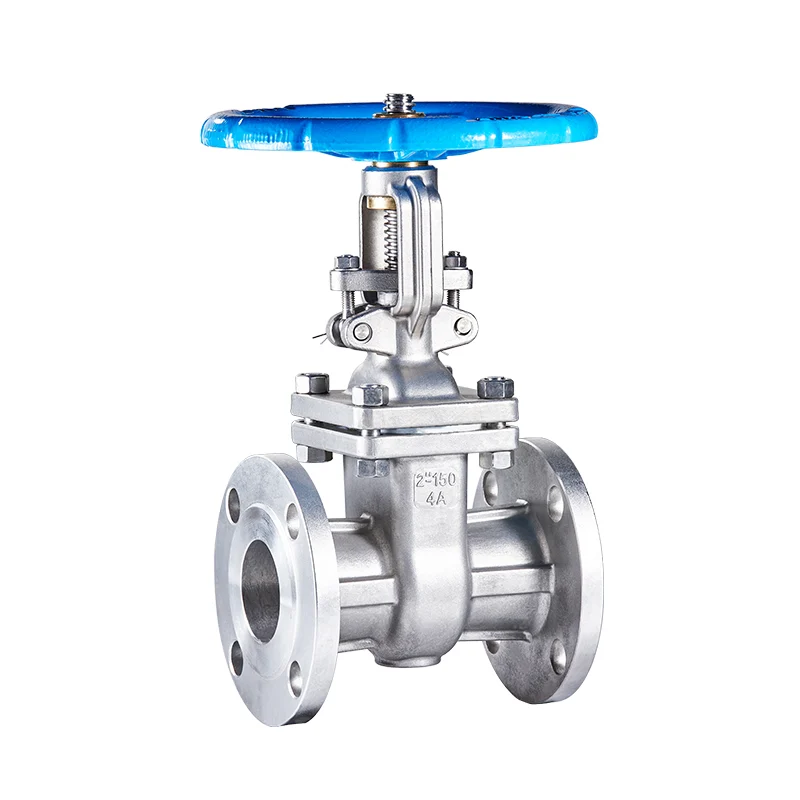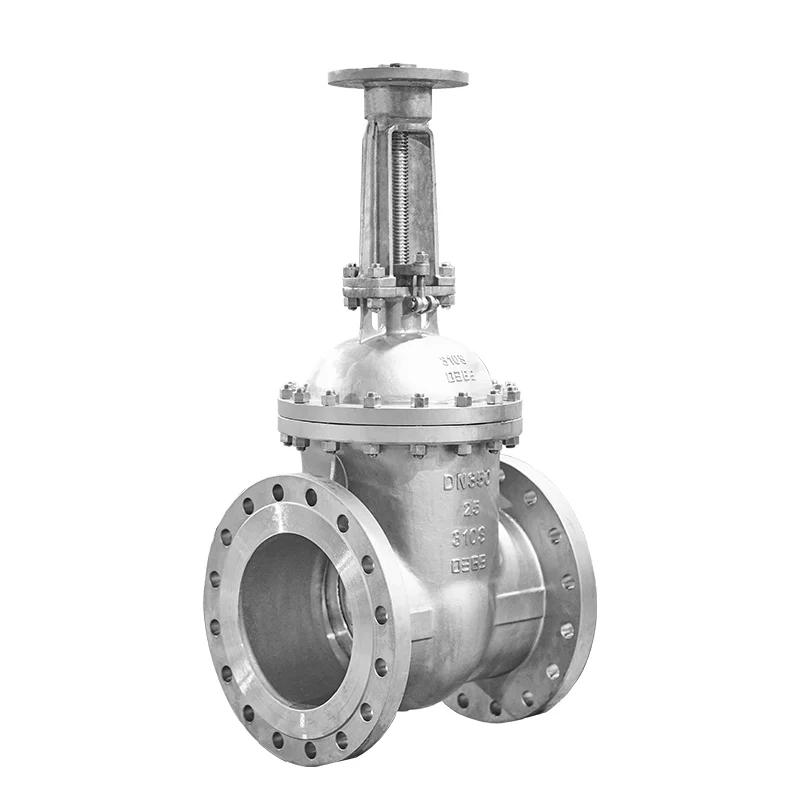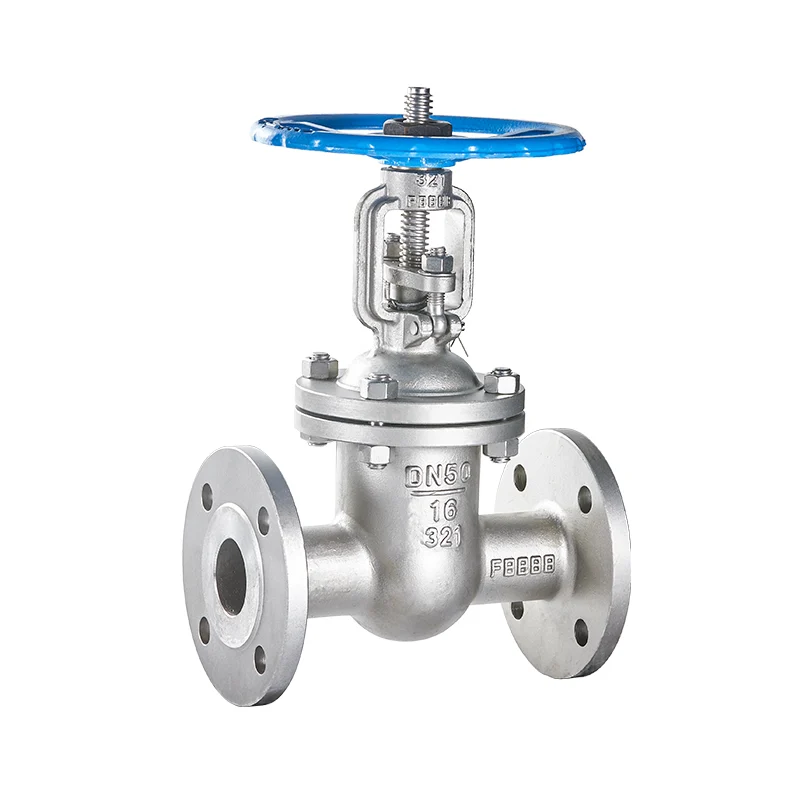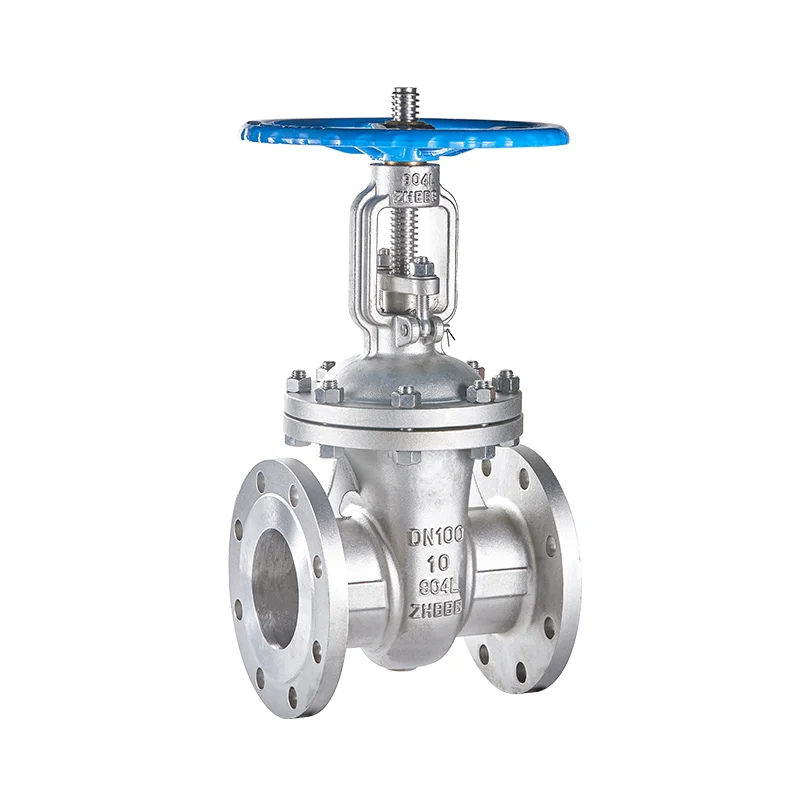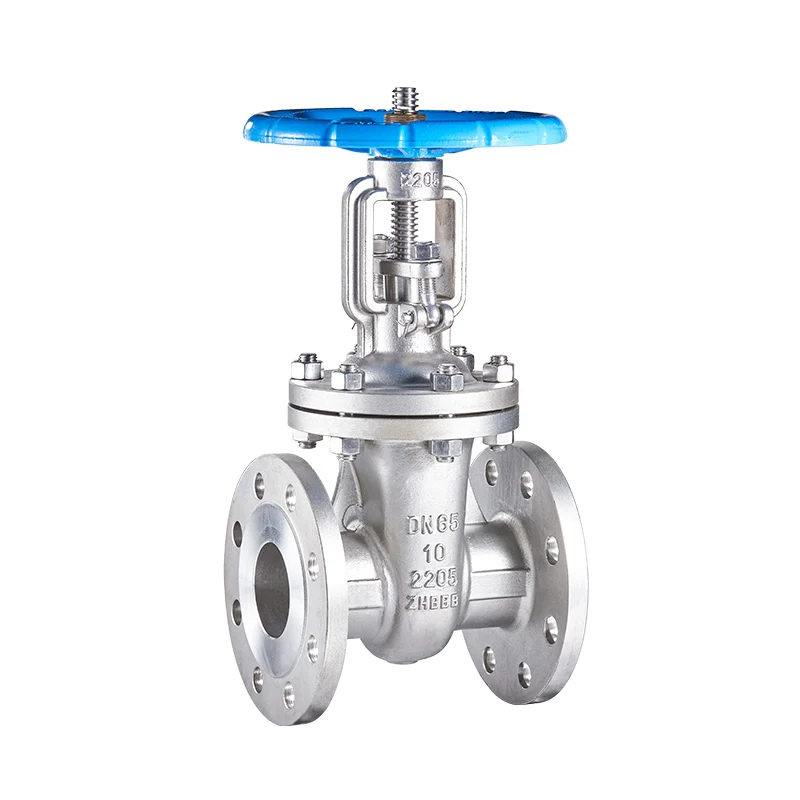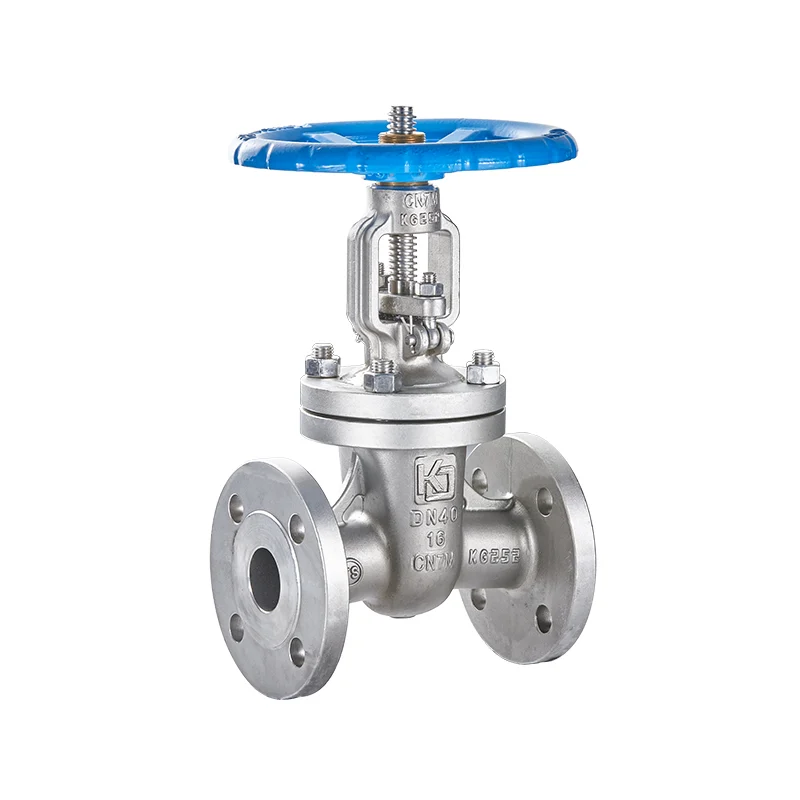
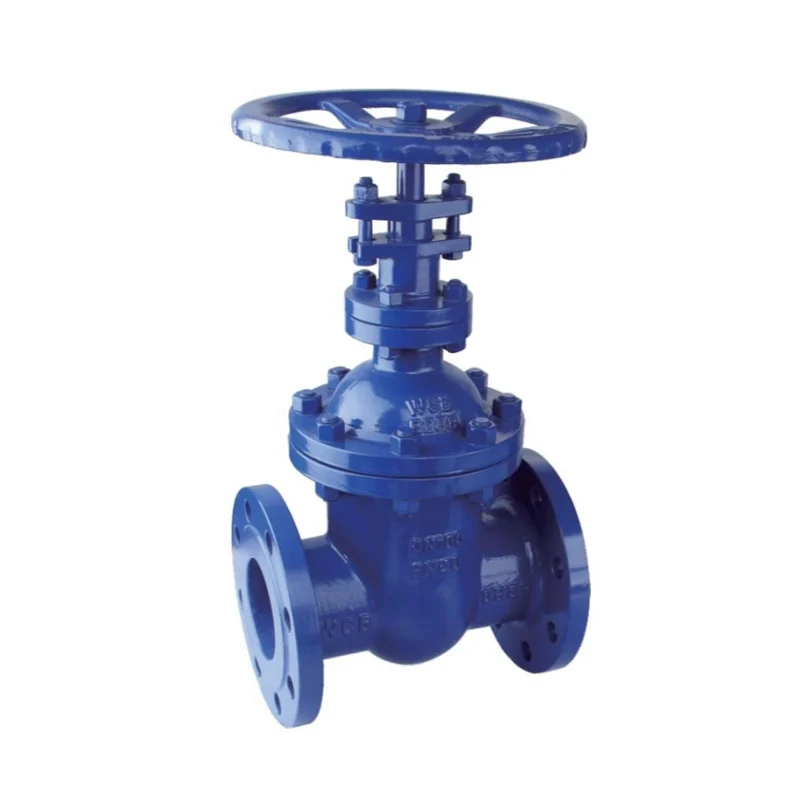
Blind Rod Flange Gate Valve is a specialized isolation valve featuring a non-rising stem (blind rod) design, ideal for installations with limited vertical clearance and underground piping systems.
Description
Blind Rod Flange Gate Valve is specifically engineered for environments where space is at a premium. Unlike rising stem valves, the “blind rod” or non-rising stem (NRS) design ensures the handwheel and stem remain at a constant height during operation, as the internal gate threads move along the stem. This design protects the stem threads from external environmental corrosion and mechanical damage. Built with robust flanged ends, it provides a secure, leak-proof connection suitable for long-term burial or tight mechanical rooms.
Features
- Space-Efficient Design: Because the “blind rod” (internal stem) remains within the valve body, the total height of the valve never changes during operation. This is critical for tight piping arrays.
- Full-Bore Flow: The internal gate retracts fully into the bonnet, providing a completely unobstructed flow path. This results in minimal pressure loss and allows for the passage of pipe-cleaning “pigs.”
- Reliable Sealing: The wedge-type gate ensures a high-pressure seal. When closed, the gate is wedged firmly against the seats to provide a bubble-tight shut-off in water, oil, or gas service.
- Protected Stem Threads: In a blind rod design, the stem threads are typically in contact with the media. We utilize high-grade, corrosion-resistant materials (like stainless steel or bronze) for the stem to ensure long-term durability and prevent seizing.
Specifications
| Feature | Specification |
| Stem Design | Non-Rising Stem (Blind Rod) |
| Design Standard | GB/T 12234 / DIN 3352 |
| Connection Type | Flanged (GB, ANSI, or DIN) |
| Body Materials | Cast Iron (HT200), Ductile Iron (QT450), WCB, Stainless Steel |
| Pressure Rating | PN10, PN16, PN25 |
| Operation | Handwheel, T-Key, or Electric Actuator |
Applications
- Water Conservancy: Underground water supply networks and municipal drainage where vertical clearance is restricted.
- Marine & Shipbuilding: Bilge and ballast systems where deck or engine room space is at a premium.
- HVAC Systems: Chilled water and fire protection lines in commercial buildings.
- Irrigation: Agricultural pumping stations and buried pipeline systems.
Related Knowledge Articles
- How Industrial Gate Valve Works
- Industrial Gate Valve Uses
- Wedge Gate Valve Design Explained
- Wedge vs Slab Gate Valve
- Resilient vs Metal Seated Gate Valve
- High Pressure vs Standard Gate Valve
- Bolted Bonnet vs Welded Bonnet Gate Valve
- Cryogenic vs High Temperature Gate Valve
- Flange vs Threaded Connection Gate Valve
- Industrial Gate Valve Manufacturer Selection
- Domestic vs Imported Industrial Gate Valves
- Industrial Gate Valve Sizing
- Manual vs Electric Gate Valve Cost Comparison
- Cast Steel vs Stainless Steel Gate Valve
- Best Material Types Industrial Gate Valves
- API Gate Valve Standards
- Industrial Gate Valve Pressure Rating Standards
- ANSI Class 150 Gate Valve Factory Direct
- Industrial Gate Valve Maintenance Steps
- Where to Buy High Quality Industrial Gate Valves Wholesale
- Industrial Gate Valve Price List DN50 DN100
- Custom Industrial Gate Valve Manufacturer Oil Gas Pipeline
- Fast Delivery Industrial Gate Valve Supplier Bulk Order
- Electric Actuator Gate Valve Set Price
- Industrial Gate Valve Export Supplier CE ISO
- Low MOQ Industrial Gate Valve Supplier
- Industrial Gate Valve Bulk Warranty
- Industrial Gate Valve Shipping Lead Time
- Industrial Gate Valve vs Ball Valve
- Industrial Gate Valve vs Globe Valve
- Manual vs Electric Gate Valve
Related Products
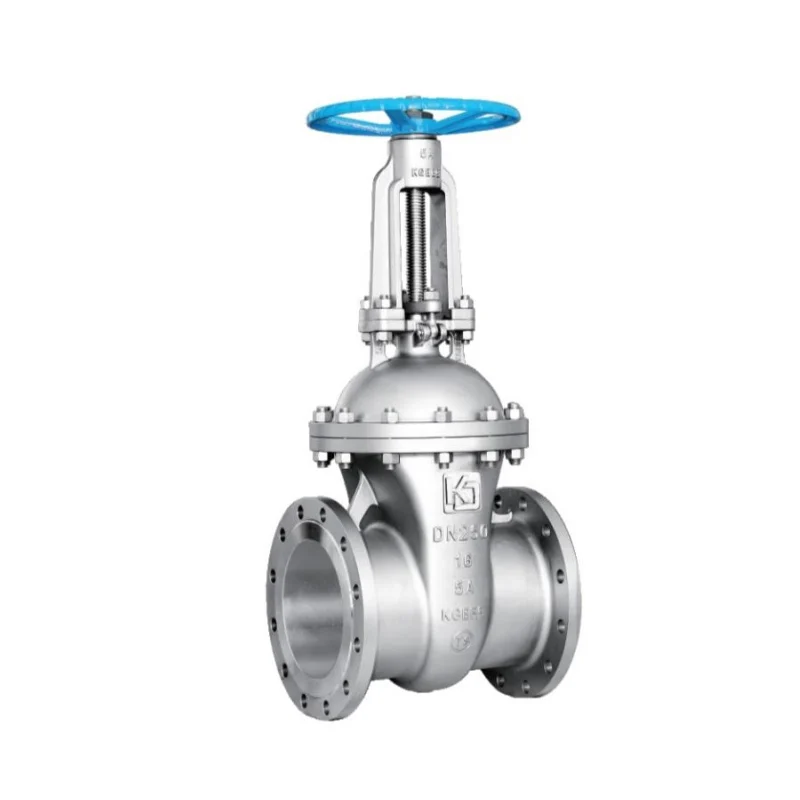
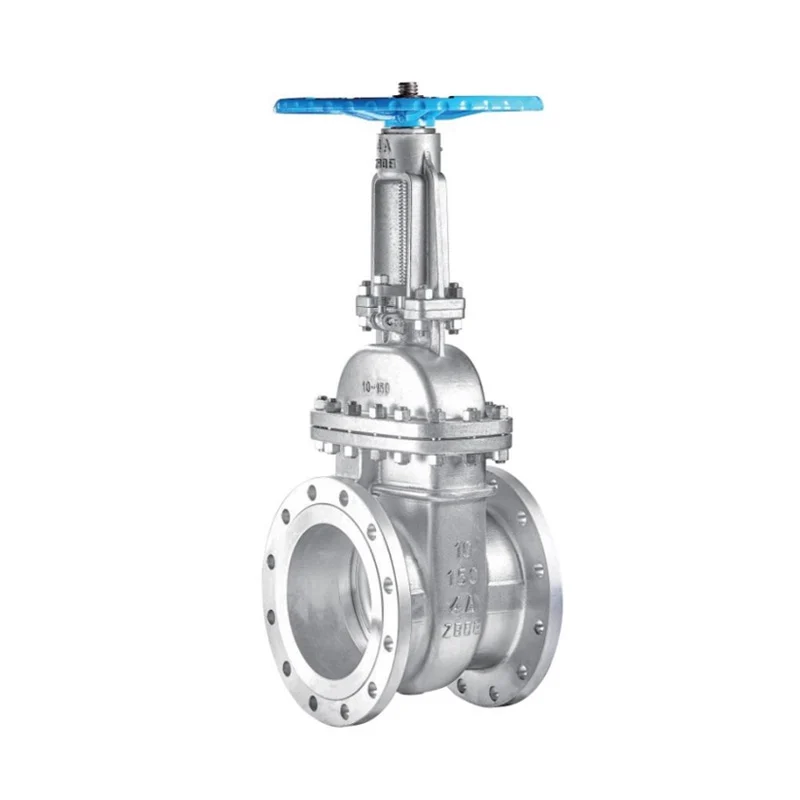
ANSI Gate Valve
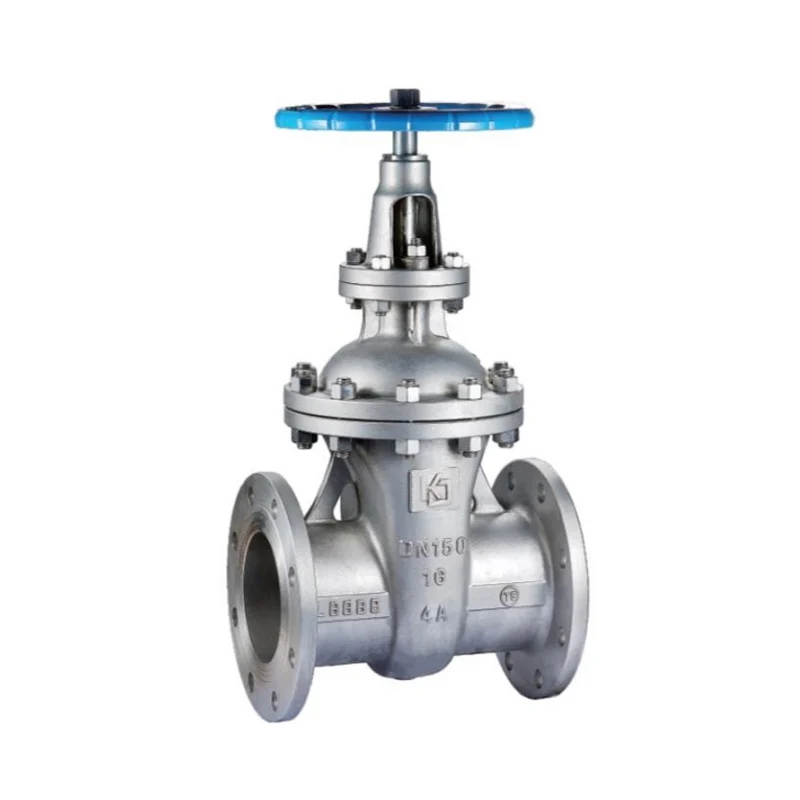
JIS Gate Valve