
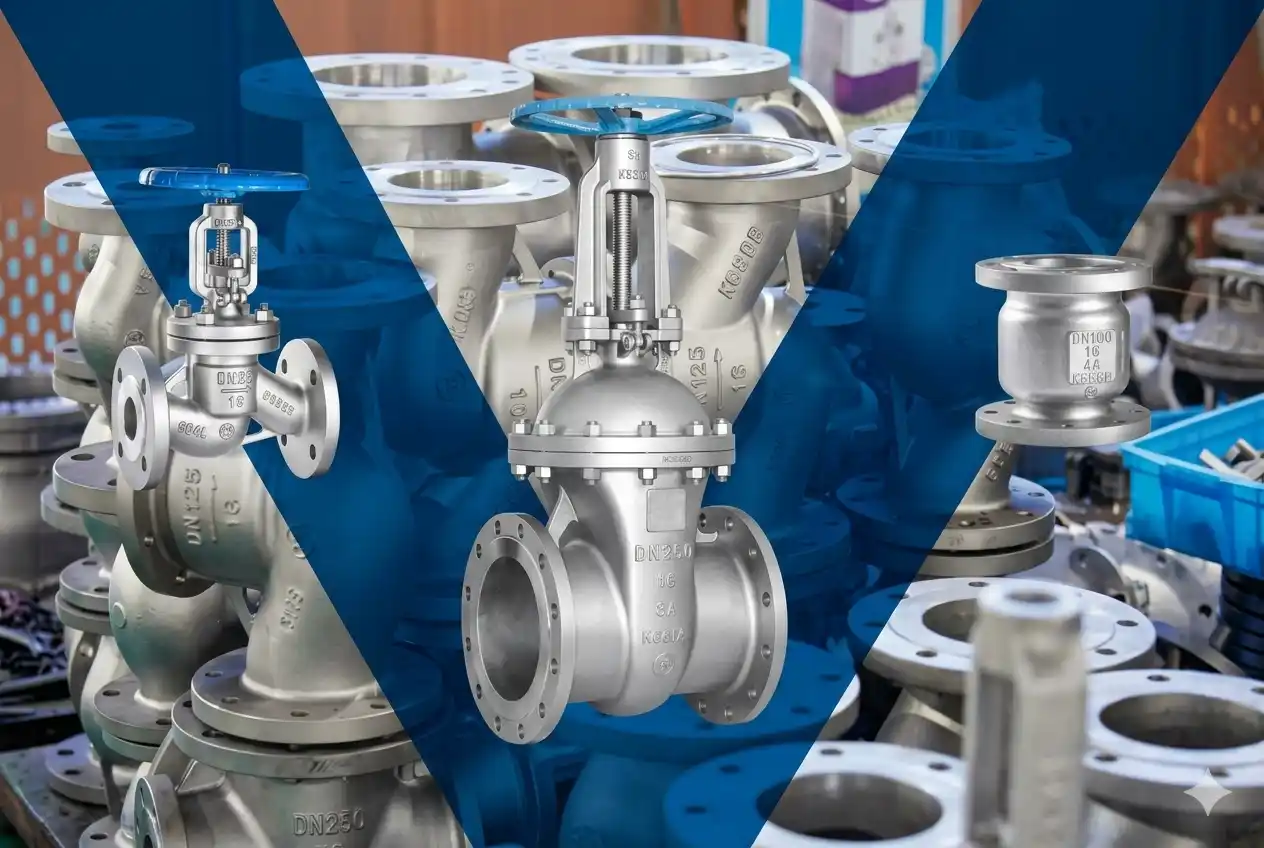
High-Performance Valves: Direct from Our China Factory to Your Project.
Valves engineered to international standards, delivered factory-direct for maximum reliability and value.
About Us
Precision Engineering Since 2016: Your Partner in Special Material Valves
Founded in 2016, we are a high-tech enterprise specializing in the research, design, and manufacturing of special-material valves across our 20,000-square-meter industrial facility. With a dedicated team of 100 professionals—including a core group of expert engineers—we integrate scientific innovation with precision manufacturing to deliver high-performance flow control solutions globally. By managing every stage from design to sales, we ensure that our specialized products meet the rigorous technical demands of modern industry with factory-direct efficiency.
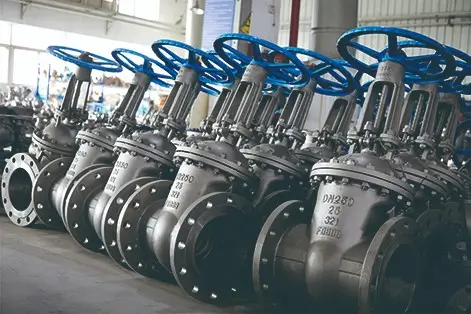
Pioneering Performance Through Specialized R&D
We invest in advanced materials and intelligent R&D to deliver high-efficiency, sustainable valve solutions that meet evolving market demands.
Precision Craftsmanship Powered by Industrial Scale
Combining advanced equipment with a rigorous artisan spirit, our professional team ensures every valve is engineered for superior reliability and peak performance.
Uncompromising Quality Through Rigorous Testing
From raw material selection to precision surface finishing, we strictly adhere to international standards with multi-layer testing to ensure every valve delivers stable, market-leading reliability.
Our PRODUCTS
High-Performance Specialized Valves: Engineered for Global Standards
Explore our factory-direct range of high-tech flow control solutions, designed for durability and precision in the most demanding industrial environments.
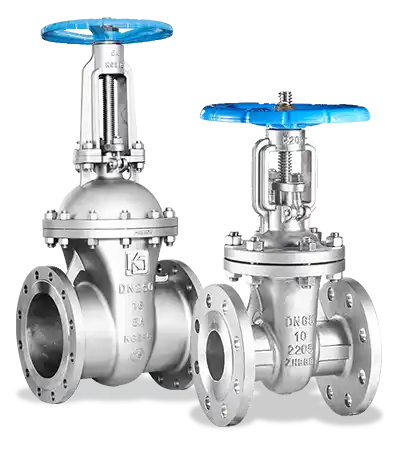
Gate Valves
Our gate valves are engineered for maximum reliability and zero-leakage performance, providing a robust, full-bore solution for the most demanding high-pressure industrial applications.
More Gate Valves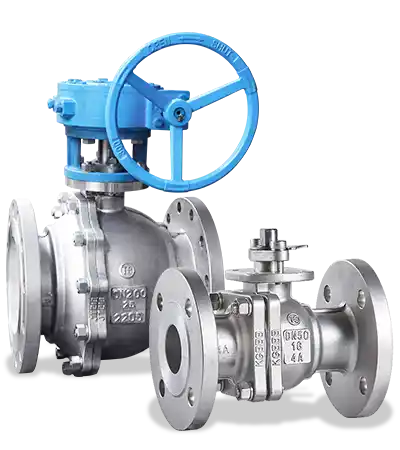
Ball Valves
Our ball valves deliver precision flow control and rapid shut-off performance, utilizing advanced materials to ensure bubble-tight sealing and effortless operation in high-cycle industrial environments.
More Ball Valves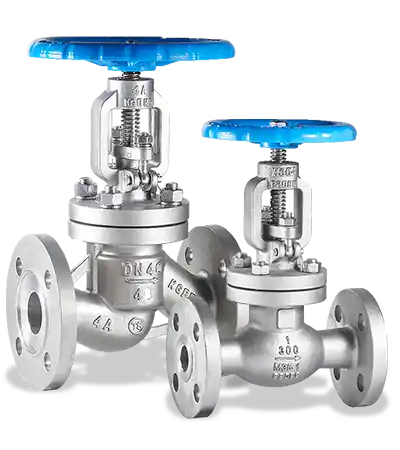
Globe Valves
Our globe valves are precision-engineered for superior throttling and frequent operation, featuring a durable design that ensures accurate flow regulation and a reliable, long-lasting seal.
More Globe ValvesOur materials
Engineered for Extremes: Specialized Material Excellence
Our valves are manufactured from a comprehensive range of advanced alloys—including Titanium, Hastelloy, Duplex, and Zirconium—to ensure peak performance in the most corrosive and high-temperature industrial environments.
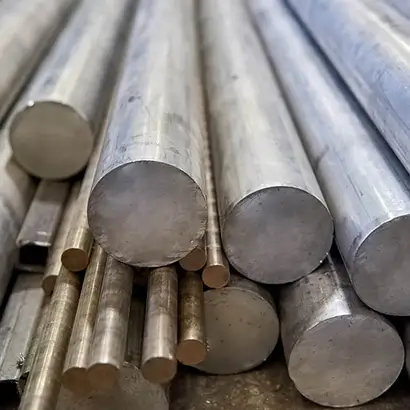
Stainless steel
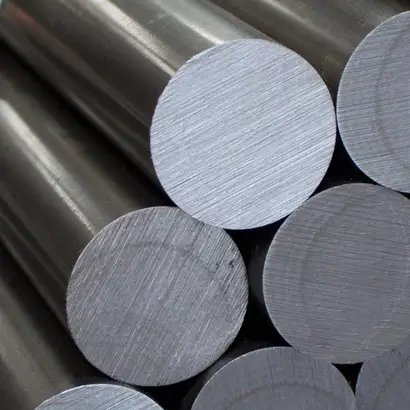
Duplex Steel
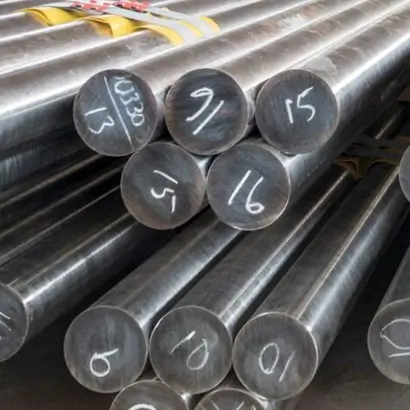
Super Austenitic Stainless Steel
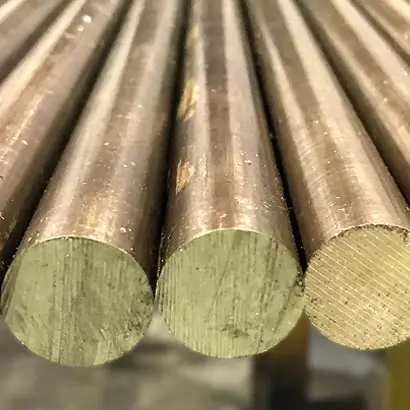
Nickel Aluminum Bronze Alloy
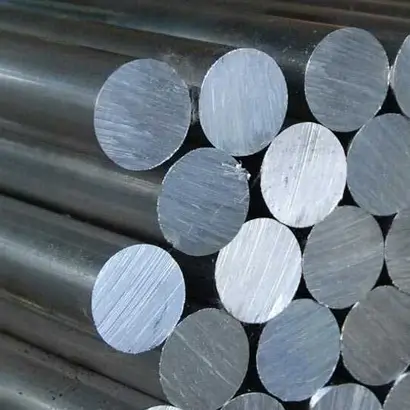
Hastelloy
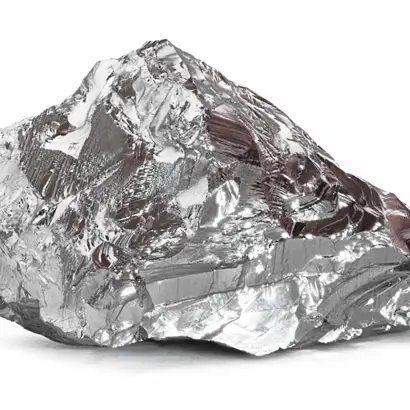
Nickel & Nickel Alloys
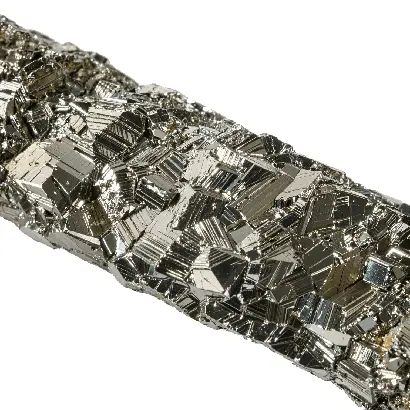
Titanium & Titanium Alloy
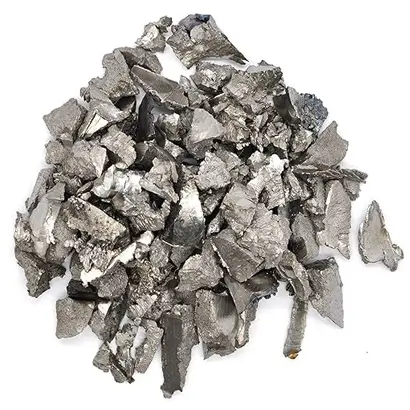
Zirconium
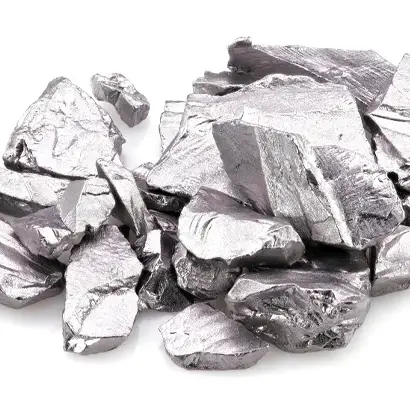
Tantalum
Our solutions
Global Solutions for Critical Industrial Applications
From regulating high-pressure pipelines in oil and gas to ensuring sterile precision in pharmaceutical production, our valves provide the essential control and reliability needed to power the world’s most vital infrastructure.
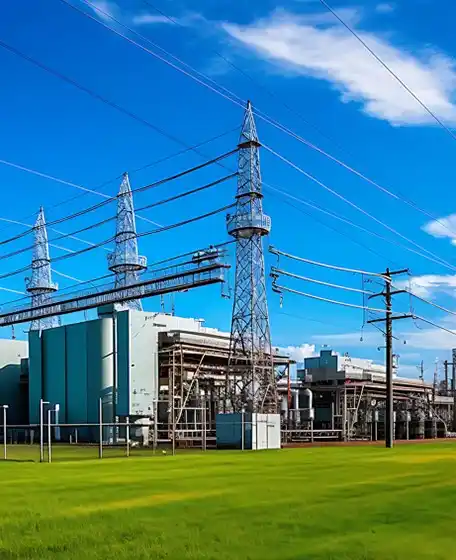
Power Industry

Oil Industry
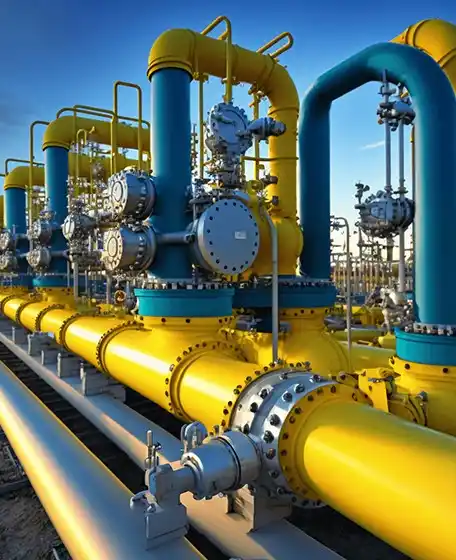
Nautral Gas Industry
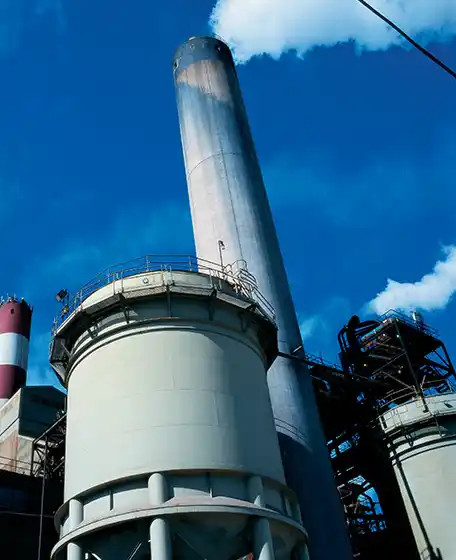
Chemical Industry
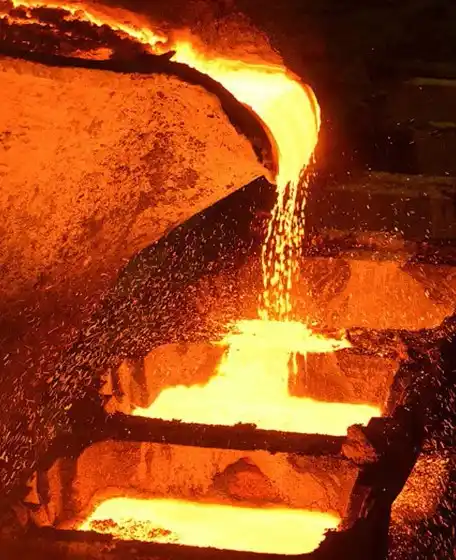
Metallurgy
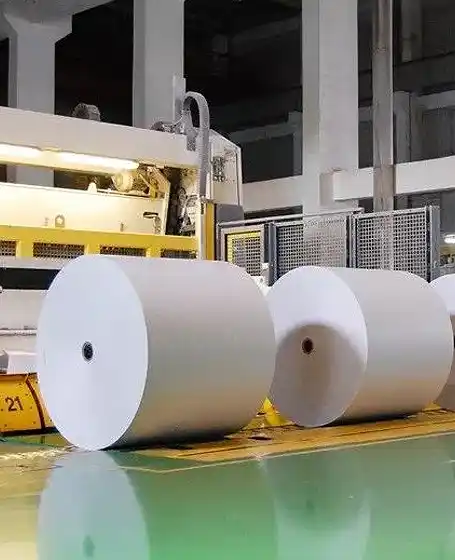
Paper Industry
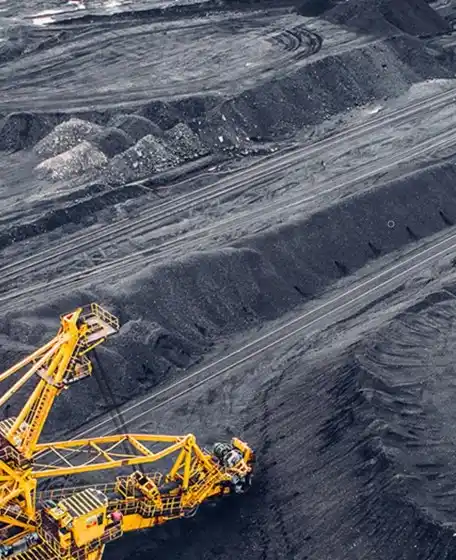
Coal Industry
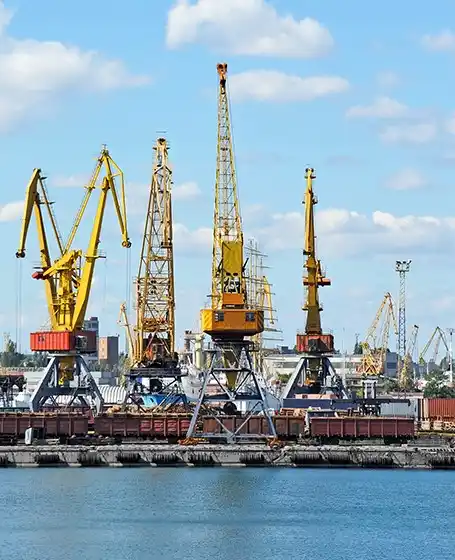
Water Conservancy

New Energy Systems